Maintaining patient comfort with long-term urinary drainage is vital in healthcare. Proper care reduces discomfort and enhances quality of life. Patients often experience stress and anxiety associated with their conditions. Understanding how to maintain patient comfort with long-term urinary drainage requires both practical knowledge and empathy.
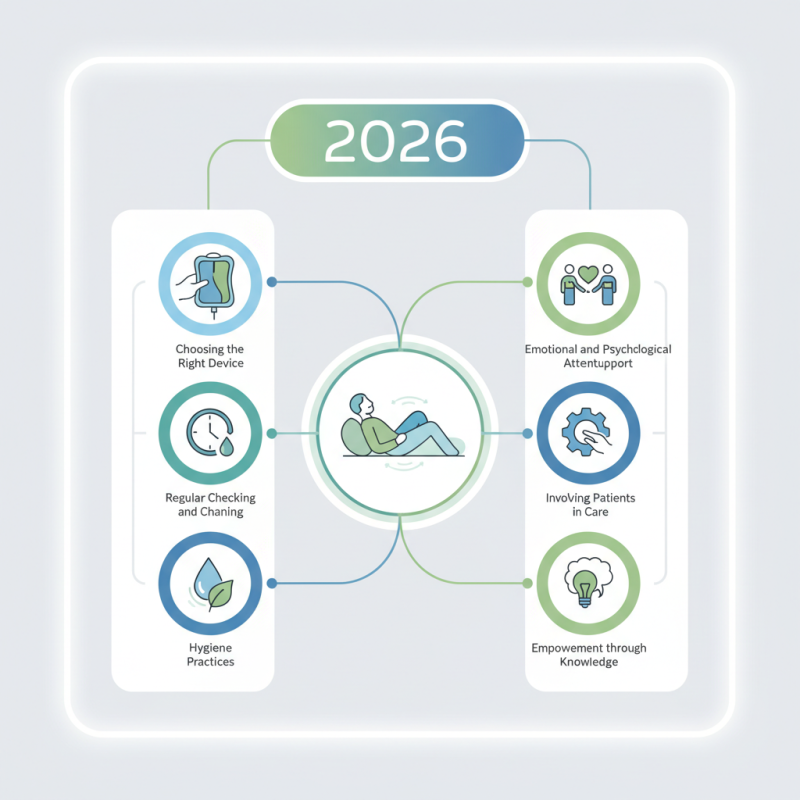
Start by choosing the right collection device. It should fit comfortably and securely. Regular checking and changing of bags help prevent leaks and skin irritation. Educating patients about hygiene practices is essential. This includes techniques for maintaining cleanliness around the drainage site. Knowledge empowers patients, often easing their concerns.
Addressing emotional and psychological aspects is just as important. Patients may struggle with feelings of vulnerability. Simple gestures, like offering reassurance and attentiveness, can make a significant difference. Additionally, involving patients in their care plan promotes a sense of control. Reflecting on these factors can lead to improved practices for patient comfort.
Patient comfort is crucial in urinary drainage procedures. It significantly influences recovery and overall satisfaction. Understanding the anxiety and discomfort patients feel can lead to better care practices. Many patients fear complications or pain during catheterization. Addressing these fears is essential for ease.
Creating a soothing environment is key. The room should feel warm and inviting. Allow patients to express their concerns openly. Active listening fosters trust. Providing clear information about each step is important. Small details like ensuring privacy and proper positioning can make a big difference. Patients will feel more at ease knowing what to expect.
Monitoring patient responses is vital. Some discomfort might go unnoticed. Staff should regularly check on patients’ pain levels and adjust care accordingly. Simple gestures, like a friendly smile, can ease tension. Reflection on personal approaches can lead to better techniques. Improving patient comfort is an ongoing journey in urinary care.
Positioning and securing urinary drainage devices effectively is critical for patient comfort. According to a study published in the Journal of Wound, Ostomy, and Continence Nursing, improper positioning can lead to complications like urinary tract infections, affecting up to 25% of patients with indwelling catheters. Ensuring that the device is positioned below bladder level helps prevent backflow, reducing the risk of infections.
Tips: Maintain a straight drainage path without kinks. This reduces resistance and discomfort. Regularly check the securement of drainage tubes to avoid accidental dislodgment, which can cause pain.
Patient feedback often highlights discomfort associated with tubing. Consider using soft securement devices that minimize skin irritation. Strapping could apply pressure and cause discomfort, so regular assessments are necessary. Research from Nursing Times indicates that frequent evaluations of catheter positioning can lead to a significant decrease in patient-reported pain scores.
Tips: Always adjust devices in response to patient positioning changes. Encourage patients to express their comfort levels. This ensures that their needs are met promptly. Frequent repositioning and careful observation are key to enhancing overall patient experience.
Effective urinary catheter insertion is crucial for patient comfort. Studies indicate that up to 60% of patients experience discomfort during this procedure. Understanding methods to minimize pain is essential for healthcare providers.
One technique includes proper lubrication of the catheter. A study published in the Journal of Urology found that using a water-soluble lubricant can significantly reduce friction during insertion. This approach can lead to a more comfortable experience for the patient. Additionally, using a smaller catheter size may also help. A recent survey revealed that patients reported less discomfort with 14 French catheters compared to larger sizes.
Furthermore, employing distraction techniques can benefit patients. Research from the British Journal of Nursing suggests that engaging patients in conversation or providing instruction can divert their attention from discomfort. However, implementing this method requires skill and training. Reflection on these strategies needs emphasis, as not all healthcare providers consistently utilize them. Continuous improvement in training may enhance overall patient satisfaction with urinary drainage procedures.
Effective communication is vital in managing urinary drainage. Patients often feel anxious about their condition. Clarity can ease their fears.
Listening to patients is crucial. They might have specific concerns about comfort and hygiene. Open dialogues encourage them to express themselves. This builds trust and helps them feel heard.
Here are some tips for better communication:
1. Use simple language. Avoid medical jargon.
2. Be patient and attentive. Give them time to ask questions.
3. Provide clear instructions. This reduces confusion and anxiety.
Encouraging patients to participate in their care is essential. Some patients may feel overwhelmed. Be ready to reassure them regularly. Comfort should be a priority throughout their treatment. A friendly approach can significantly enhance their experience.
Post-procedure care is crucial for enhancing patient comfort and recovery after urinary drainage. Clear communication is essential. Patients should understand what to expect. They may feel discomfort or urgency. Addressing these sensations promptly can prevent anxiety. Involving patients in their care plan boosts their confidence. Providing them with informative materials helps them prepare mentally.
Maintaining a clean and hygienic environment is vital. Regularly checking drainage sites for signs of infection can alleviate worries. Educating patients on how to identify issues is beneficial. Simple reminders about fluid intake and dietary choices can promote better recovery. Ensuring patients have easy access to necessary items, like hand sanitizer, makes them feel secure.
Emotional support is as important as physical care. Frequent check-ins can reassure patients. Listening to their concerns makes them feel valued. Comfort measures, like adjusting room temperature or providing pillows, can enhance their experience. Acknowledging that each patient’s needs are unique leads to better outcomes. Reflecting on these practices can help healthcare professionals refine their approach.
| Tip | Description | Benefits |
|---|---|---|
| Adequate Hydration | Encourage patients to drink plenty of fluids to promote healthy urinary output. | Reduces risk of infection and improves comfort. |
| Regular Position Changes | Advise patients to change positions frequently to avoid discomfort and pressure sores. | Enhances circulation and reduces pain. |
| Gentle Skin Care | Utilize mild soap and moisturizers in the genital area to prevent irritation. | Promotes skin integrity and comfort. |
| Use Proper Drainage Bags | Select drainage bags that are suitable for the patient's mobility and comfort level. | Prevents accidental dislodgement and enhances patient mobility. |
| Patient Education | Inform patients about the purpose and care procedures related to urinary drainage. | Empowers patients, reducing anxiety and enhancing cooperation. |
: Proper positioning prevents complications, like urinary tract infections, affecting many patients. It helps maintain patient comfort.
Position the device below bladder level. This simple adjustment significantly reduces the risk of backflow and infections.
Patients often feel discomfort due to tubing. Regular assessments of the securement can help alleviate pain.
Use proper lubrication and consider smaller catheter sizes. These techniques can significantly enhance patient comfort.
Patient feedback is vital. Listening to their comfort levels allows for immediate adjustments to improve their experience.
Patients may feel discomfort or urgency. Clear communication can reduce anxiety and better prepare them for recovery.
Keeping the environment clean and checking drainage sites regularly can prevent infections and support recovery efforts.
Frequent check-ins and listening to concerns make patients feel valued. This emotional support is crucial for their recovery.
Stay informed about their care plan, maintain fluid intake, and recognize signs of infection to enhance recovery.
Reflecting on patient feedback and care practices can lead to better training and enhanced patient satisfaction overall.
Maintaining patient comfort during long-term urinary drainage is essential for promoting overall well-being and satisfaction. To achieve this, healthcare providers should focus on several key practices. Firstly, proper positioning and securing of urinary drainage devices can significantly reduce discomfort. Secondly, employing gentle techniques during urinary catheter insertion can alleviate pain and anxiety. Effective communication with patients about the procedure and expectations is equally vital, as it helps to build trust and alleviate fears.
Additionally, post-procedure care plays a crucial role in enhancing patient comfort and promoting recovery. Simple steps such as monitoring for signs of irritation and providing support for managing urinary drainage can make a considerable difference. By implementing these best practices, providers can successfully address "how to maintain patient comfort with long-term urinary drainage," ensuring patients receive care that prioritizes their comfort and quality of life.
Mainline Medical