When discussing urinary catheters, understanding device functionality is crucial. What is the purpose of a two-way vs three-way foley catheter? This inquiry guides our exploration into medical needs and applications. A two-way foley catheter has two channels: one for urine drainage and the other for inflation and deflation of the balloon. In contrast, a three-way catheter features an additional channel for irrigation.
These catheters serve different clinical purposes. A two-way catheter is often sufficient for patients requiring simple drainage. However, patients with bladder irrigation needs benefit from a three-way catheter's design. It may seem straightforward, yet the choice significantly impacts patient care.
Both devices highlight the necessity for healthcare professionals to make informed decisions based on individual patient scenarios. There are advantages and limitations to each type. Understanding these nuances is essential in providing optimal care.
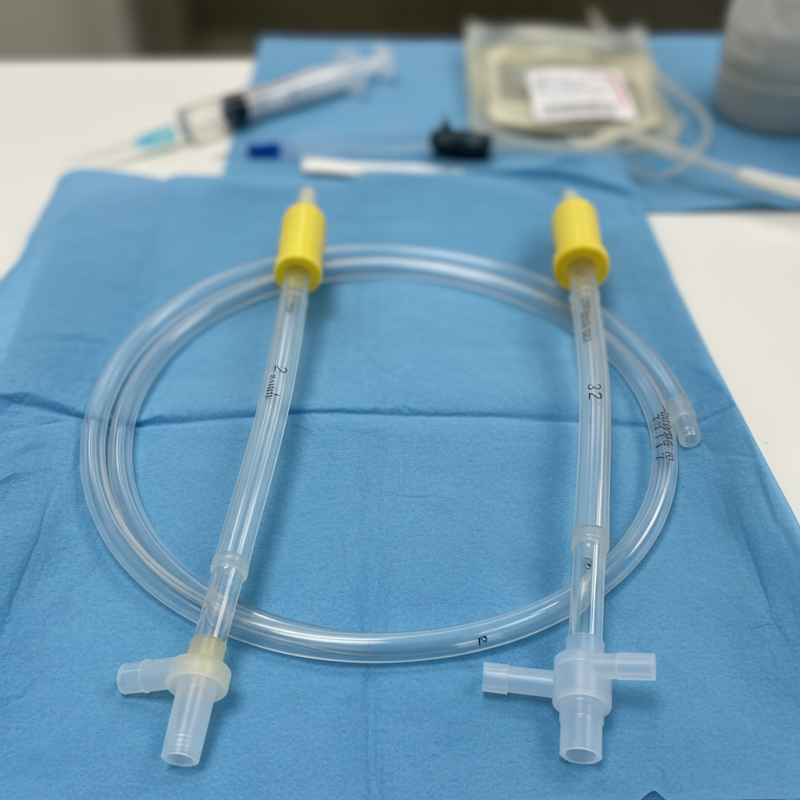
Understanding the basics of Foley catheters is essential for both patients and healthcare providers. These catheters are commonly used for bladder drainage in various medical settings. They come primarily in two types: two-way and three-way. Each type serves specific purposes, impacting patient care directly.
A two-way Foley catheter has two channels. One channel is for urine drainage, while the other is for inflating the balloon that holds the catheter in place. This design is often used for straightforward urinary retention cases. In contrast, a three-way Foley catheter includes an additional channel, which allows for continuous irrigation. This is particularly useful in patients who have undergone prostate surgery or in cases of bladder hemorrhage. Understanding these differences is crucial to ensure the right choice for individual patient needs.
Choosing the appropriate catheter is not always clear-cut. Some patients may experience discomfort or complications, regardless of the catheter type. It's important for healthcare professionals to assess each case carefully. Communication with patients about their experiences is vital. They might have unique needs that influence catheter selection, such as anatomy variations or preferences. This consideration is critical to enhancing patient comfort and safety throughout treatment.
When choosing between a two-way and a three-way Foley catheter, it's essential to understand their specific purposes. Two-way catheters typically consist of one lumen for drainage and another for inflating the balloon. This design is common for routine urinary drainage after surgeries or in patients with urinary retention. They excel in situations requiring simple, effective drainage without additional complications.
Three-way Foley catheters, on the other hand, include an extra lumen. This additional channel is used to instill irrigation fluids, making them suitable for managing blood clots or debris in the bladder. They're often used in patients undergoing bladder surgeries or those with hematuria. While effective, they can be more complex to manage, requiring careful monitoring of fluid balance and catheter patency.
Choosing the right catheter isn't always straightforward. Clinicians must weigh the benefits against potential complications. For example, while a three-way catheter may provide better irrigation, it carries risks such as fluid overload or infection. It's crucial to assess each patient's unique needs and conditions, ensuring the chosen catheter aligns with their medical requirements and promotes optimal outcomes.
Two-way Foley catheters serve critical purposes in medical care. These devices help drain urine from the bladder in various situations. They are commonly used when patients can't urinate independently due to surgery, injury, or illness. The use of these catheters increases comfort, facilitates accurate monitoring, and aids in the recovery process.
Indications for using two-way Foley catheters include the need for short-term bladder management. Patients post-surgery often require them to prevent urinary retention. Additionally, individuals with urinary tract obstructions may benefit significantly. It’s important to consider factors like patient history and the potential for infection. Despite their advantages, there are challenges. Sometimes catheters can irritate the urethra or bladder, leading to discomfort.
Healthcare professionals must weigh the pros and cons. Understanding when to use two-way Foley catheters can enhance patient care. Continuous education and training in catheter management improve outcomes. Reflecting on personal experiences and outcomes can lead to better practices. Using these devices effectively requires ongoing assessment and a patient-centered approach.
| Feature | Two-way Foley Catheter | Three-way Foley Catheter |
|---|---|---|
| Purpose | Draining urine | Draining urine and irrigation |
| Indications | Urinary retention, post-operative care | Post-operative bladder irrigation, active bleeding |
| Number of Lumen | 2 | 3 |
| Common Sizes | 16Fr, 18Fr | 20Fr, 22Fr |
| Irrigation Feature | No | Yes |
| Usage Duration | Short-term | Long-term |
Three-way Foley catheters are specifically designed for multiple uses, particularly when irrigation is needed. They are commonly used after certain surgeries, such as prostatectomy or bladder surgery. In such cases, continuous bladder irrigation is essential to prevent blood clots and maintain urinary flow. According to a report by the Journal of Urology, 65% of patients after bladder surgeries benefited from three-way catheters.
Indications for their use include managing larger blood clots. For instance, patients recovering from pelvic surgery often face this issue. Three-way catheters allow for simultaneous drainage and fluid infusion. This can reduce complications and improve healing time.
Tips: Always ensure that the catheter is properly positioned. Improper placement can lead to discomfort or infections. Monitor the patient's urine output closely. This provides insights into their recovery process. Engaging in regular assessment is crucial for preventing adverse events. Remember, proper training on catheter use is vital for healthcare providers.
Foley catheters are essential in clinical settings. They come in two main types:
two-way and
three-way. Each type serves a specific purpose, impacting patient care significantly.
Two-way Foley catheters have two lumens. One lumen provides urinary drainage, while the other is for balloon inflation. This design is straightforward and widely used for most patients requiring temporary urinary support.
However, it lacks the capability for bladder irrigation or medication delivery.
Three-way Foley catheters, on the other hand, include a third lumen. This lumen allows for continuous bladder irrigation. It is particularly useful in patients after prostate surgery or with bladder issues.
The three-way design facilitates better management of blood clots and other complications.
However, some challenges persist. The increased complexity can lead to catheter blockage more easily than the two-way design.
Understanding these differences is crucial for healthcare professionals to make informed treatment decisions.
: Foley catheters are devices used for bladder drainage in medical settings. They are essential for patient care.
Two-way catheters have two channels; one for drainage, one for balloon inflation. Three-way catheters have an additional channel for irrigation.
A two-way catheter is commonly used for routine urinary drainage after surgery or in cases of urinary retention.
A three-way catheter is used for continuous irrigation and is beneficial for patients with bladder complications like hematuria.
Patients may experience discomfort, infections, or blockage. Communication with healthcare providers is crucial for addressing these issues.
Clinicians must assess each patient's needs, considering factors like anatomy and preference to optimize comfort and safety.
Not always. Choice depends on individual needs, as some may require more complex management than others.
Careful monitoring of fluid balance and catheter function is necessary, especially for three-way catheters, to prevent complications.
Yes, risks include fluid overload and catheter blockage, thus requiring attentive care.
Patients should communicate their experiences and preferences regarding catheter use to ensure tailored care and comfort.
Foley catheters are essential medical devices used for urinary drainage, and understanding their types is crucial for effective clinical application. What is the purpose of a two-way vs three-way Foley catheter? Two-way Foley catheters, consisting of two lumens, are primarily employed for basic urinary drainage, while three-way Foley catheters include an additional lumen, allowing for continuous irrigation and drainage, making them suitable for more complex situations such as post-surgical care or bladder irrigation.
The indications for using each type differ significantly. Two-way catheters are typically indicated for standard urinary retention cases, whereas three-way catheters are indicated when there is a need for irrigation, such as managing blood clots or preventing blockage in the urinary tract. Understanding the key differences and clinical implications of each type will enhance patient management and outcomes.

Mainline Medical