Choosing the right Foley catheter begins with the patient’s drainage needs, not with product labels or marketing claims. This distinction matters when comparing China best Foley catheter options, because a two-way and a three-way catheter serve different clinical purposes.
What is the purpose of a two-way vs three-way foley catheter? A two-way Foley has separate channels for urine drainage and balloon inflation. It is commonly used for routine bladder drainage after surgery, during urinary retention, or for short-term monitoring. The balloon holds the catheter in place, while the drainage lumen carries urine into a collection bag.
A three-way Foley adds a third channel for continuous bladder irrigation. It may be selected after urological procedures or when blood clots could block urine flow. Sterile irrigation fluid enters through one port, while urine and small clots leave through another. The tubing can look crowded at the bedside.
Urologist Dr. Anne P. Cameron emphasizes, “Catheter choice should follow the clinical indication, not habit.” That principle is practical, although real cases are rarely perfectly simple. A three-way catheter is not automatically better. Its larger size may cause discomfort, and irrigation requires careful monitoring of input, output, leakage, and bladder spasms.
Clinicians should confirm the indication, catheter material, French size, balloon capacity, sterility, and manufacturing quality before use. Product selection should follow institutional protocols and professional judgment. This overview supports informed discussion, but it cannot replace assessment by a qualified healthcare professional.
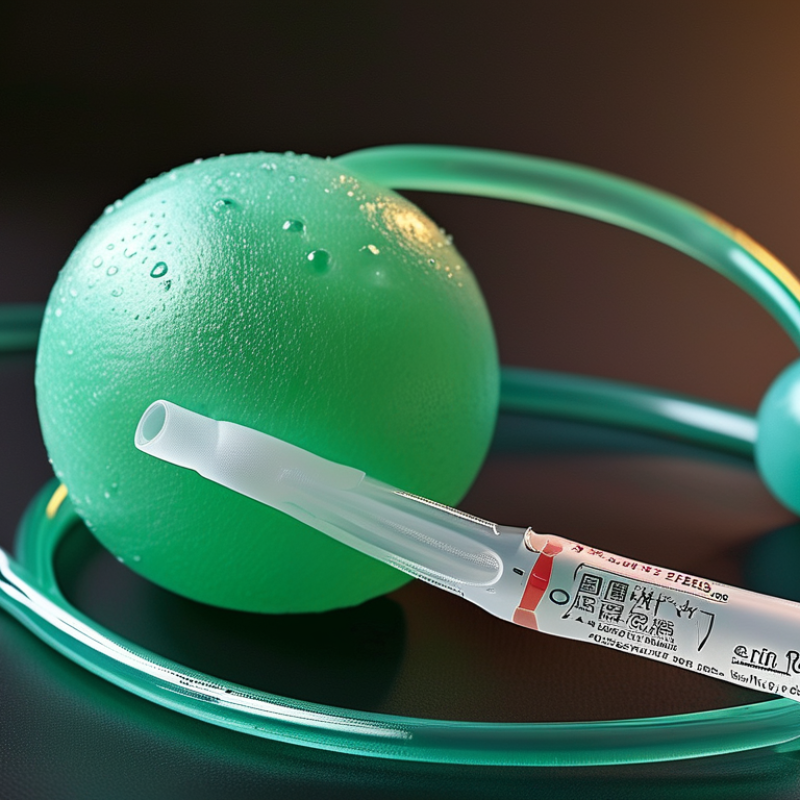
A Foley catheter is a flexible tube designed to drain urine from the bladder. Its rounded tip enters the bladder, while a small balloon holds it in place. The drainage lumen carries urine into a collection bag. A separate balloon lumen allows controlled inflation with sterile water.
A two-way Foley catheter has two channels: one for urine drainage and one for balloon inflation. It commonly supports short-term urinary retention care, selected operations, and accurate fluid monitoring.
A three-way catheter adds an irrigation channel. Clinicians may use it when blood clots could obstruct drainage, especially after certain urological procedures. Continuous irrigation requires careful monitoring of inflow, outflow, color, and patient discomfort.
Size, material, tip design, and balloon volume should match the patient and clinical purpose. Larger is not automatically better. In practice, gentle insertion and a closed drainage system help reduce preventable problems.
Hand hygiene matters. So does keeping the collection bag below bladder level.
Blocked flow, fever, pain, leakage, or cloudy urine needs prompt clinical assessment.
I should note that catheter selection is not always straightforward; local protocols and patient anatomy can change the safest choice. Misjudging the indication may cause unnecessary trauma or infection.
Two-Way Foley Catheters: Design, Purpose, and Clinical Applications
A two-way Foley catheter contains two separate channels. One channel drains urine, while the other inflates a retention balloon inside the bladder. After sterile insertion, the balloon helps keep the catheter positioned during continuous drainage. The design is relatively simple. Unlike a three-way Foley catheter, it has no separate channel for bladder irrigation.
Clinicians may use a two-way catheter for acute urinary retention, selected surgeries, strict urine-output monitoring, or limited mobility. The choice depends on the patient’s condition, expected duration, and clinical protocol. A two-way model cannot support continuous bladder irrigation, so it may be unsuitable when blood clots or heavy sediment are expected. Simplicity can mislead. It does not make catheterization risk-free. Unnecessary use may contribute to infection, urethral trauma, bladder spasms, and discomfort. In practice, drainage can fail because of kinking, poor positioning, or a bag placed too high.
Tips: Use aseptic technique and confirm the catheter size is appropriate. Inflate the balloon only with the recommended sterile fluid and volume. Secure the tubing without pulling, and keep the drainage bag below bladder level. Check urine flow regularly. Report pain, fever, leakage, blood, or sudden absence of drainage to a qualified clinician. Never force insertion or remove the catheter without professional guidance.
| Comparison Dimension | Two-Way Foley Catheter | Three-Way Foley Catheter | Clinical Considerations |
|---|---|---|---|
| Basic Design |
|
|
The number of lumens describes catheter function; it does not by itself determine catheter quality or suitability. |
| Primary Purpose | Continuous drainage of urine from the bladder while the catheter remains in place. | Urinary drainage combined with bladder irrigation, usually when irrigation is clinically indicated. | Selection should be based on the patient’s condition, treatment plan, catheter size, drainage requirements, and local clinical protocol. |
| Typical Clinical Applications |
|
|
A three-way catheter is not routinely required for uncomplicated urinary retention or ordinary urine drainage. |
| Irrigation Capability | No dedicated irrigation lumen. Irrigation, if required, may interrupt drainage and requires an appropriate clinical technique and device configuration. | Dedicated irrigation lumen allows irrigation fluid to enter the bladder while urine, blood, and fluid leave through the drainage lumen. | Continuous irrigation requires prescribed fluid, aseptic handling, monitoring of inflow and outflow, and assessment for obstruction or bladder distention. |
| Risk of Clot Blockage | Less suitable when blood clots or tissue fragments are expected to obstruct the drainage pathway. | Generally more suitable for selected cases involving hematuria or anticipated clot formation because irrigation can help maintain catheter patency. | A three-way catheter does not eliminate blockage risk. Large clots, kinking, poor drainage, or inadequate catheter size may still cause obstruction. |
| Common Catheter Tip and Eyelet Options | Often available with standard drainage eyes and a variety of tip designs, depending on the clinical indication. | Often designed with larger drainage channels or configurations intended to support irrigation and drainage in urologic care. | Tip design and drainage area should be checked against the intended procedure. A larger catheter is not automatically better. |
| Common Adult French Sizes | Frequently selected sizes include 12 Fr, 14 Fr, 16 Fr, and 18 Fr for many routine adult indications. | Frequently selected sizes include 20 Fr, 22 Fr, and 24 Fr in situations requiring irrigation, although the appropriate size varies by procedure and patient. | French size selection should follow clinical assessment and institutional guidance. Use the smallest suitable size for routine drainage when possible. |
| Balloon Volume | Common adult retention balloons are often labeled 5–10 mL, with the labeled volume determined by the catheter design and intended use. | Balloon volume varies by model and clinical application; the labeled balloon volume must be followed. | Inflate only with the recommended sterile fluid and volume stated on the product labeling or clinical protocol. Overinflation can cause injury or discomfort. |
| Drainage System | Connects the drainage lumen to a urine collection bag or another approved closed drainage system. | Connects the drainage lumen to a collection system while the irrigation lumen is connected to the prescribed irrigation fluid and tubing. | Maintaining a closed system, keeping the drainage bag below bladder level, and preventing tubing kinks help reduce complications. |
| Main Advantages |
|
|
The best option is the catheter that meets the clinical objective with the least unnecessary complexity and trauma. |
| Limitations |
|
|
Catheterization should be reviewed regularly and discontinued as soon as it is no longer clinically necessary. |
| Potential Complications | Urinary tract infection, urethral trauma, bladder discomfort or spasms, bleeding, leakage, blockage, and catheter-associated injury may occur. | Includes the complications associated with two-way catheters, plus risks related to irrigation such as fluid imbalance, bladder overdistention, increased bleeding, or obstruction if poorly monitored. | Correct insertion, securement, aseptic care, unobstructed drainage, and timely clinical review are important for both types. |
| Best-Fit Use Case | Routine urinary drainage when irrigation is not required. | Urinary drainage when continuous or intermittent bladder irrigation is specifically indicated. | The final choice should be made by a qualified healthcare professional according to patient needs, procedure requirements, and applicable guidelines. |
A three-way Foley catheter adds an irrigation channel to the standard drainage and balloon channels. Its design supports continuous bladder irrigation, often after prostate or bladder procedures. Sterile fluid enters the bladder, while urine, blood, and small clots exit through the drainage lumen. The wider tubing can reduce blockage, but it does not remove the need for careful monitoring.
A two-way catheter drains urine and inflates the retention balloon. It is usually suitable when irrigation is unnecessary. A three-way model becomes useful when visible hematuria or clot formation is expected. The CDC estimates that about 75% of hospital-acquired urinary tract infections involve urinary catheters. The CDC also advises limiting catheter use and duration. Irrigation is not automatically safer.
AHRQ’s national patient-safety initiative reported a 30% reduction in catheter-associated urinary tract infections in participating hospitals. That result reflects better insertion, maintenance, and removal practices, not catheter design alone. Clinically, nurses should watch the drainage bag, tubing, urine color, flow rate, and lower-abdominal discomfort. Clear output matters. A sudden stop may indicate kinking or clot obstruction. Evidence supports individualized selection, yet real wards can be less tidy than guidelines suggest. Oversight remains essential.
A two-way Foley catheter has two channels.
One drains urine, while the other fills the retention balloon inside the bladder. It is commonly used for routine bladder drainage after surgery, during urinary retention, or when a patient cannot urinate independently. Urine flows through the catheter into a collection bag. The system should remain closed and positioned below bladder level.
A three-way Foley catheter has three channels.
One drains urine, one inflates the balloon, and the third allows continuous bladder irrigation. This design is often selected after urological procedures or when blood clots may block urine flow. Clear irrigation fluid enters the bladder, while urine and small clots leave through the drainage channel. Staff must check tubing connections, fluid balance, urine color, and unexpected resistance.
The choice is not always obvious. A three-way catheter may provide useful irrigation, but it can also cause discomfort and requires closer monitoring. A two-way catheter is simpler, yet it cannot support continuous irrigation. Catheter size, balloon volume, drainage needs, and patient condition all matter. Clinical staff should follow the treating clinician’s order and local protocols.
Never force a catheter. That small mistake can cause injury. Any reduced output, severe pain, leakage, fever, or bright-red drainage needs prompt medical assessment.
China Best Foley Catheter Two Way vs Three Way Purpose?
When choosing a Foley catheter supplier in China, start with clinical purpose, not the lowest quotation. A two-way catheter usually has one channel for urine drainage and another for balloon inflation. It suits routine, continuous bladder drainage. A three-way catheter adds an irrigation channel. Hospitals may use it when blood clots or debris require bladder irrigation after selected procedures. The supplier should explain these differences clearly, without promising one design for every patient.
Check the supplier’s quality system, production history, and technical documentation. Ask for material details, French sizes, balloon capacity, tip design, sterility method, shelf life, and packaging photographs. Confirm whether the product uses latex or silicone, since material selection affects patient suitability. Request batch traceability records and relevant test reports. Certificates should be current and independently verifiable. A polished catalog is not proof of reliable manufacturing.
Ask for samples before placing a large order. Examine the connector, drainage eyes, balloon symmetry, package seal, and printed information. Test communication speed, too. Slow replies may become serious during shipment or quality disputes. Written specifications prevent confusion between a two-way and three-way model. One detail is easy to miss: irrigation tubing compatibility. Even experienced buyers can overlook it. A supplier that accepts technical questions, admits limitations, and supports corrective action is usually more dependable than one offering only a cheap price.
It drains urine from the bladder into a collection bag. It may help during urinary retention, selected surgeries, or limited mobility. Not risk-free.
One channel drains urine. The second channel fills a retention balloon inside the bladder. The balloon helps keep the catheter positioned.
A two-way catheter has drainage and balloon channels. A three-way catheter adds irrigation access for flushing the bladder continuously.
It may help after certain urinary procedures or when blood clots could block drainage. Staff must monitor fluid balance and urine appearance.
It cannot provide continuous bladder irrigation. Heavy sediment or blood clots may obstruct urine flow and require another approach.
Keep the bag below bladder level. Avoid kinks, pulling, or compressed tubing. Keep it low.
Use aseptic technique and confirm the catheter size. Inflate the balloon only with the recommended sterile fluid and volume.
Report fever, severe pain, leakage, blood, or sudden absent drainage. Bright-red drainage needs prompt assessment. Do not wait unnecessarily.
Insertion and removal should follow professional guidance. Never force insertion or remove the catheter without clinical direction. Small mistakes can cause injury.
Foley catheters are flexible, sterile tubes designed to drain urine from the bladder and remain in place with a retention balloon. A two-way Foley catheter has one channel for urine drainage and another for balloon inflation. It is commonly used for routine bladder drainage, urinary retention, perioperative care, and monitoring urine output. What is the purpose of a two-way vs three-way foley catheter? The main difference is that a three-way catheter includes an additional channel for continuous or intermittent bladder irrigation.
Three-way Foley catheters are often selected when blood clots, tissue debris, or postoperative bleeding may obstruct urine flow, especially after certain urological procedures. Choosing between them depends on the patient’s condition, drainage requirements, catheter size, material, balloon capacity, and clinical instructions. When selecting a Foley catheter supplier in China, healthcare buyers should evaluate product consistency, sterilization controls, regulatory documentation, customization capability, packaging quality, and communication reliability. A dependable supplier should provide clear technical specifications and stable quality suitable for the intended medical application.

Mainline Medical