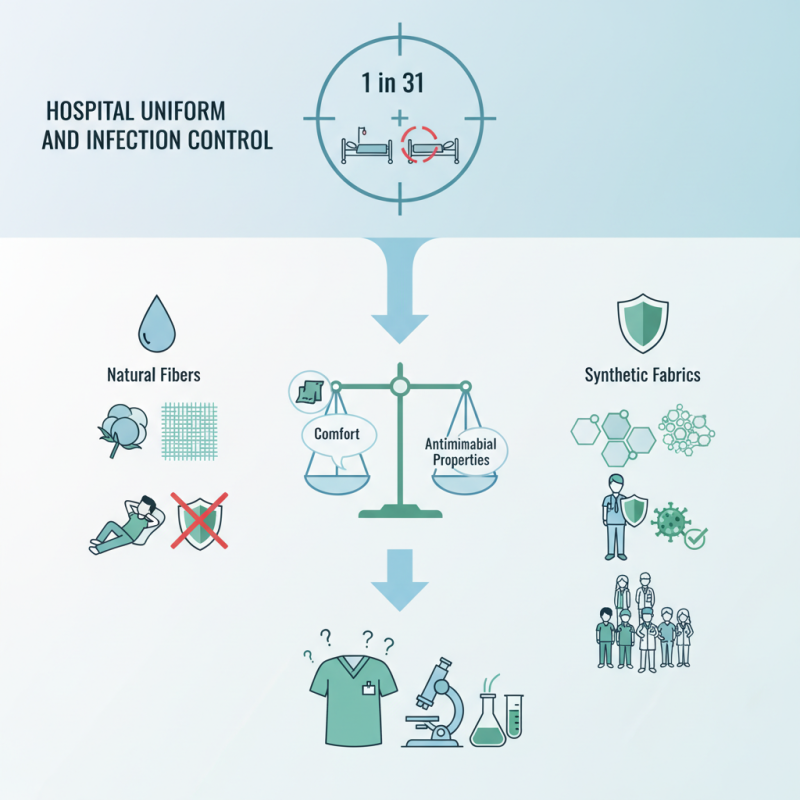
Choosing the right hospital uniform fabric plays a vital role in infection control. A study by the Centers for Disease Control and Prevention (CDC) highlighted that healthcare-associated infections are responsible for approximately 1 in 31 hospital patients. This alarming figure underscores the importance of effective fabric selection in hospital settings.
Experts like Dr. Sarah Johnson have emphasized the need for careful consideration. She states, "How to select the best hospital uniform fabric for infection control involves understanding the balance between comfort and antimicrobial properties.” Fabrics that are breathable yet resistant to microbial growth can significantly reduce the risk of pathogen transmission.
Not all materials offer the same benefits. Natural fibers may provide comfort but lack durability against infections. Synthetic options can be more effective in controlling pathogens. However, not all healthcare providers are aware of these nuances in fabric performance. For optimal protection, staff must understand how different fabrics interact with various pathogens, focusing on effective choices for uniform materials.
Hospital uniforms play a crucial role in infection control. The fabric used for these uniforms can significantly influence a hospital's hygiene standards. Certain materials resist bacterial growth better than others. For instance, tightly woven fabrics can reduce the surface area for bacteria to thrive. This is pivotal in environments where infection risk is high.
In addition to fabric choice, the uniform's maintenance is equally important. Regular washing at high temperatures and proper sanitization practices help in minimizing infection risks. However, some institutions may overlook these protocols, leading to potential vulnerabilities. Nurses and staff often express concerns about uniform durability versus effectiveness. Balancing comfort and protective qualities in fabrics can lead to ongoing reflections on best practices.
Even small details matter in infection control. Pocket design and uniform fit contribute to hygiene. Uniforms that restrict movement or have inadequate pockets can lead to contamination risks. It’s essential for healthcare providers to continually evaluate how their uniforms impact patient safety. By focusing on these factors, hospitals can create safer environments for both patients and staff.
When it comes to hospital uniforms, fabric selection is critical. Different types of fabrics offer various benefits for infection control. Cotton remains a popular choice due to its breathability and comfort. However, it absorbs moisture, making it less ideal for high-risk areas. Some hospitals prefer polyester blends. These fabrics are durable and resistant to wrinkling. They can repel fluids, reducing the risk of contamination.
Another notable option is antimicrobial fabric. This innovative material is treated to eliminate or inhibit the growth of bacteria and fungi. It helps maintain a cleaner environment. Yet, the effectiveness of these treatments can vary. Not all antimicrobial fabrics provide the same level of protection. Regular washing is still essential to maintain their properties.
Scrutinizing the choices available is key. Each fabric has its strengths and weaknesses. Hospital decision-makers should discuss these details and consider staff experiences. Staff feedback can reveal how uniforms perform in real-life situations. In the end, the right fabric can make a significant difference in infection control efforts.
When selecting hospital uniforms, it's crucial to consider the fabric's properties, particularly for infection control. Different materials have varying levels of breathability, moisture-wicking ability, and antimicrobial properties. For instance, a breathable fabric can help reduce the temperature and humidity on the skin. This minimizes the chances of bacterial growth, which is critical in a clinical setting.
Furthermore, moisture-wicking fabrics draw sweat away from the body, keeping healthcare workers dry and comfortable. This can decrease skin irritation and possible infection sites. Antimicrobial fabrics can actively combat harmful bacteria, adding an extra layer of protection. However, not all materials have these properties. Choosing the wrong type can inadvertently increase infection risk.
Another important aspect is durability. Fabrics must withstand multiple wash cycles while retaining their protective qualities. If a fabric degrades quickly, it may lose its effectiveness in controlling infections. It’s a challenge to find the balance between comfort and protection. Inadequately addressed, these factors can lead to potential threats in patient care.
Choosing the right fabric for hospital uniforms is crucial for infection control. Uniforms should be made from materials that are both durable and easy to clean. For example, fabrics like polyester or blends can withstand frequent washing without losing their integrity. This is important in a healthcare environment where uniforms often encounter pathogens.
Additionally, moisture-wicking properties are essential. Fabrics that can wick away sweat help reduce bacterial growth. However, not all moisture-wicking fabrics are created equal. Some may feel good but lack the antimicrobial properties necessary for a hospital setting. Testing the fabric for its performance can prevent future issues.
Consider the comfort and fit of the uniforms as well. Healthcare workers spend long hours on their feet. Uniforms that are too tight or chafe can lead to discomfort, impacting performance. It's a challenge to find the perfect balance between functionality and comfort. Regular feedback from staff can help inform better choices in the future. Ultimately, the aim is to create a safe, comfortable working environment that reduces infection risks.
Maintaining hospital uniforms is crucial in the fight against infections. Uniforms can harbor pathogens if not cleaned properly. Regular washing at high temperatures is essential. This process helps eliminate harmful bacteria. However, not all fabrics withstand this treatment equally. Some materials may degrade or lose their protective properties over time.
Proper maintenance extends beyond washing. Employees should inspect their uniforms regularly for stains or damage. A uniform with visible wear is less hygienic. Discoloration can indicate the presence of pathogens. It’s vital to replace uniforms when they show signs of significant wear.
Infection control efforts rely heavily on the upkeep of hospital uniforms. Even after washing, uniforms collected from different locations may carry unseen risks. Staff training on uniform care is often overlooked. This gap in education can compromise infection control initiatives. Small changes in maintenance habits can lead to improved patient safety. Finding the right balance in uniform care is an ongoing challenge.
: Cotton is popular for its comfort. Polyester blends are chosen for durability. Antimicrobial fabrics fight bacteria.
The right fabric affects infection control. Different materials offer unique benefits and challenges in clinical settings.
Breathable fabrics reduce humidity and temperature. This limits bacterial growth, which is essential for healthcare workers.
These fabrics keep healthcare workers dry. They help reduce skin irritation and potential infection sites.
No, effectiveness can vary greatly. Regular washing is necessary to maintain their antimicrobial properties.
They need to evaluate staff feedback and fabric performance. It's important to balance comfort and protective qualities.
Fabrics must endure multiple washes. If they degrade, effectiveness in controlling infections may diminish.
Yes, choosing inappropriate materials may inadvertently promote bacterial growth. Proper fabric selection is critical.
Selecting the right hospital uniform fabric is crucial for effective infection control. Hospital uniforms serve not only as a symbol of professionalism but also play a significant role in minimizing the risk of healthcare-associated infections. The fabric types commonly used in hospital settings include cotton, polyester, and blends, each with distinct properties that influence their performance in infection control. Key factors such as moisture-wicking ability, breathability, and antimicrobial properties are essential considerations when evaluating fabrics.
To ensure optimal protection against infections, it is vital to adopt best practices for uniform fabric selection. This involves understanding the specific requirements of the healthcare environment and prioritizing fabrics that can withstand frequent cleaning and disinfection. Additionally, proper maintenance of uniforms significantly impacts their effectiveness in infection control. By focusing on how to select the best hospital uniform fabric for infection control, healthcare facilities can enhance safety for both patients and staff while maintaining a hygienic environment.

Mainline Medical