How Often Should a Foley Catheter Be Replaced for Safety?

Time:2026-05-05 Author:Henry
0%

The proper management of Foley catheters is crucial for patient safety. Many healthcare providers wonder, "How often should a Foley catheter be replaced?" This question reflects a concern for both infection prevention and patient comfort. Typically, Foley catheters are replaced every two to four weeks, depending on various factors, such as the patient's condition and catheter type.

For long-term catheter users, adherence to replacement guidelines is vital. Failure to replace a catheter at appropriate intervals can lead to complications, including urinary tract infections. However, the decision can be complex and require clinical judgment. For instance, some patients may need more frequent changes due to specific health issues. Regular assessment of the catheter condition is essential and often overlooked in practice.

Patients and caregivers should be aware of the signs indicating that a catheter needs replacement. Unexpected pain, unusual odors, or leakage can signal the need for a change. It's important to communicate openly with healthcare professionals about these issues. Ultimately, understanding how often to replace a Foley catheter can significantly influence overall patient outcomes and safety.
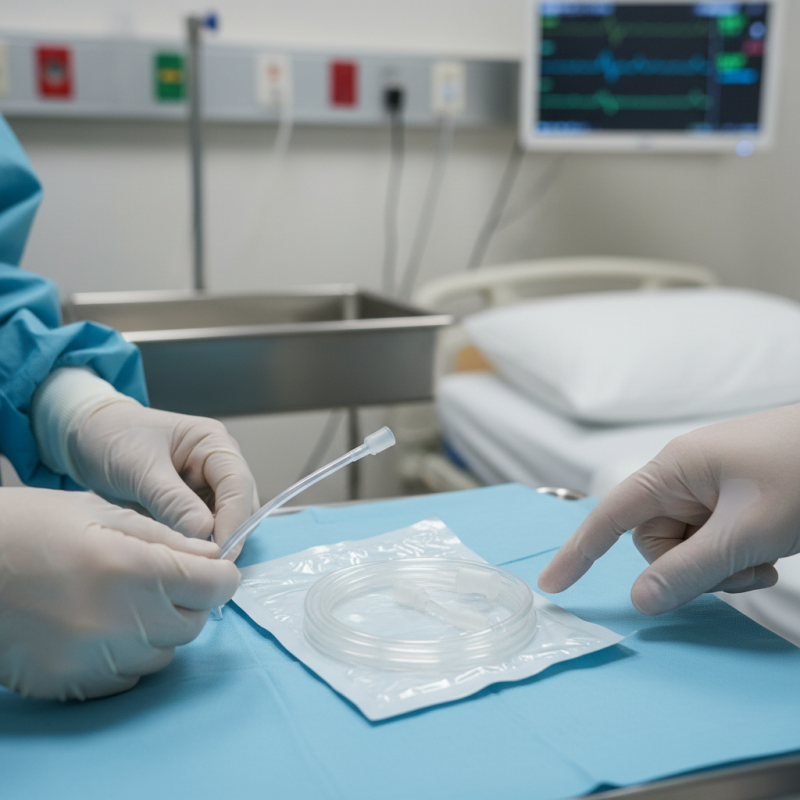
How Often Should a Foley Catheter Be Replaced for Safety?

Importance of Foley Catheter Maintenance for Patient Safety

Foley catheters play a critical role in patient care. However, their maintenance is essential for ensuring patient safety. Data from the Centers for Disease Control and Prevention (CDC) indicates that healthcare-associated infections can increase when catheters are not managed correctly. Proper care can significantly reduce the risk of urinary tract infections (UTIs), improving patient outcomes.

To maintain Foley catheters effectively, regular checks are vital. Catheters should generally be replaced every 4 to 6 weeks, but this may vary based on individual patient needs. Some studies suggest that timely replacements can cut UTI rates by up to 60%. Nurses and caregivers must monitor for any signs of infection or obstruction, which can be indicators that a catheter needs to be changed sooner than scheduled.

Tips for caretakers: Always follow aseptic techniques when handling catheters. Record changes and patient symptoms meticulously. Communication with the medical team is crucial. If a patient shows any signs of discomfort or infection, consult with a physician immediately. Regular training and updates on catheter care guidelines can bolster the overall safety of patients in clinical settings. Consistent vigilance and adherence to protocols can make a notable difference in patient care.

Recommended Replacement Frequency Based on Clinical Guidelines

Foley catheters are vital in managing urinary retention and various medical conditions. The recommended replacement frequency varies based on clinical guidelines. According to the CDC, catheters should be changed every 4 to 6 weeks. However, for long-term use, many experts suggest replacing them every 30 days to reduce infection risks.

Evidence indicates that prolonged catheterization leads to a 5-10% chance of urinary tract infections (UTIs) within one week, escalating to over 70% after 30 days. Frequent replacement can help mitigate these risks. Yet, many healthcare providers do not adhere strictly to these guidelines. This inconsistency underscores the need for continuous education and awareness among medical staff.

One must consider individual patient needs when determining replacement timelines. Factors like age, comorbidities, and the nature of catheter care all play significant roles. Some clinics advocate for clinical assessments rather than a strict schedule, ensuring that patient welfare is prioritized. Adjusting replacement strategies may also invite further reflection on current practices and patient outcomes.

Risks Associated with Extended Use of Foley Catheters

Foley catheters play a crucial role in managing urinary retention. However, their extended use can pose significant risks. The longer a catheter remains in place, the higher the chance of complications. Catheter-associated urinary tract infections (CAUTIs) are among the most common issues linked to prolonged use. These infections can lead to severe health complications, particularly in vulnerable patients.

Extended intervals between catheter changes increase the risk of biofilm development on the catheter surface. This biofilm harbors bacteria that can lead to infections that are difficult to treat. Symptoms of these infections may include fever, chills, and changes in urine odor or color. In addition, constant irritation to the urethra can cause discomfort and bladder spasms.

Regular monitoring of catheter condition is vital. Caregivers should assess whether a catheter remains necessary. If a patient shows signs of infection or discomfort, a proactive approach is essential. Understanding the risks associated with prolonged Foley catheter use allows for better patient care. Every healthcare provider must reflect on the necessity and timing of catheter changes for optimal safety.

Signs Indicating the Need for Catheter Replacement

Foley catheters play a crucial role in managing urinary retention. However, their proper care and timely replacement are essential for patient safety. Certain signs indicate the need for catheter replacement to prevent complications.

Look for any signs of infection. Symptoms such as fever, chills, or unusual urine odor can suggest a urinary tract infection. Redness or swelling around the catheter insertion site is also crucial. Pay attention to any increased pain or discomfort. These can indicate catheter obstruction or irritation.

Tip: Maintain good hygiene practices. Wash your hands and clean the catheter area regularly to reduce infection risks.

Monitor the catheter's function diligently. If you notice a significant change in urine output, this may signal a need for replacement. Discoloration or blood in the urine can be alarming signs. Seek medical advice immediately if these occur.

Tip: Keep a record of catheter changes. This helps track replacement schedules and can aid healthcare providers in assessments. Always follow your healthcare professional’s guidance on timing and reasons for replacement.

Frequency of Foley Catheter Replacement for Safety

Best Practices for Foley Catheter Management in Clinical Settings

Foley catheters are essential in many clinical settings, but their management requires careful practices. According to the Centers for Disease Control and Prevention (CDC), urinary catheters account for approximately 80% of urinary tract infections (UTIs) in hospitals. Regular catheter changes are vital to minimize these risks.

Best practices suggest that Foley catheters should be replaced every 2 to 4 weeks, depending on the patient's condition. Evidence indicates that prolonged use increases the likelihood of infection. A study published in the Journal of Urology notes that patients with catheters exceeding 30 days often face complications. Monitoring and assessing the need for a catheter is crucial in clinical environments.

Health professionals must remain vigilant regarding catheter-related complications. It’s important to educate staff on insertion techniques and hygiene protocols. Inconsistent practices can lead to serious health issues. Regular training and updates in best practices help improve patient safety. Always reflect on current procedures and adapt as needed for enhanced outcomes.

How Often Should a Foley Catheter Be Replaced for Safety? - Best Practices for Foley Catheter Management in Clinical Settings

Replacement Interval Reason for Replacement Frequency of Replacement Best Practices
Every 2-4 weeks Preventing infection and obstruction Recommended for long-term catheters Regular monitoring and sterile technique
As needed Signs of infection or blockage Patient-specific considerations Assess and replace upon any complications
Every 7 days Short-term catheter use In cases of temporary catheterization Strict adherence to hygiene protocols
Every 30 days Long-term catheter management Standard for certain chronic conditions Evaluate patient needs and condition

FAQS

: What is the importance of Foley catheter maintenance?

: Proper maintenance is essential for patient safety and reduces the risk of urinary tract infections.

How often should Foley catheters be replaced?

They should generally be replaced every 4 to 6 weeks, but individual patient needs may vary.

What symptoms indicate a urinary tract infection?

Symptoms include fever, chills, unusual urine odor, and redness around the catheter site.

How can I reduce the risk of infection?

Maintain good hygiene, wash your hands, and clean the catheter area regularly.

What should I do if I notice changes in urine output?

Significant changes may indicate a need for catheter replacement. Seek medical advice immediately.

Why is communication with the medical team important?

It ensures timely consultation if a patient shows signs of discomfort or infection.

What factors influence catheter replacement schedules?

Age, comorbidities, and catheter care nature all play significant roles in determining replacement.

What are common signs that a catheter needs replacement?

Increased pain, discomfort, discoloration in urine, or blood can indicate a need for replacement.

How can tracking catheter changes help?

Keeping a record aids in adhering to schedules and helps healthcare providers assess needs accurately.

Why is continuous education for healthcare providers necessary?

It promotes adherence to guidelines and improves patient outcomes in Foley catheter management.

Conclusion

The maintenance of Foley catheters is crucial for ensuring patient safety, and understanding how often a Foley catheter should be replaced is a key aspect of this process. Clinical guidelines generally recommend replacing Foley catheters every 2 to 4 weeks to minimize the risk of infections and other complications associated with their prolonged use. Extended use of these catheters can lead to various risks such as urinary tract infections, bladder spasms, and even catheter-related injuries.

In addition to adhering to recommended replacement frequencies, healthcare providers should be vigilant in recognizing signs that indicate the need for catheter replacement, such as abnormal urine appearance or persistent discomfort. Implementing best practices for Foley catheter management within clinical settings not only enhances patient outcomes but also ensures a higher standard of care. By regularly assessing the need for replacement and following established guidelines, healthcare professionals can significantly reduce the risks associated with Foley catheters.

Henry

Henry

Henry is a dedicated marketing professional with a profound expertise in the company's offerings. With years of experience in the industry, he possesses an impressive understanding of the market dynamics and consumer behaviors that drive success. Henry is committed to sharing his insights through......