Long-term urinary drainage can support patients who cannot empty their bladder safely. However, comfort involves more than preventing blockage or infection. It includes dignity, mobility, sleep, skin health, and confidence during daily activities. A drainage bag may tug when a patient turns in bed. Tubing may press against the thigh. Small details can become constant sources of distress.
This guide explores How to maintain patient comfort with long-term urinary drainage through practical, evidence-informed care. It considers secure tubing, suitable clothing, gentle hygiene, regular observation, and clear communication with healthcare professionals. Patients and caregivers should watch for pain, leakage, blood, fever, cloudy urine, reduced drainage, or sudden confusion. These signs require prompt clinical advice, especially in vulnerable adults. Comfort plans should reflect the patient’s routine, skin condition, movement, and personal preferences. One solution may work well at night but fail during walking. Flexibility matters.
A checklist helps.
Yet checklists are not enough. A patient may say everything is fine while quietly avoiding movement because the catheter feels embarrassing. Regular, respectful conversations can reveal these concerns. Clinicians should review whether the drainage system remains necessary and appropriate. They should also explain changes in simple language and confirm understanding. Good care is not perfect every day. It is attentive, responsive, and willing to improve when discomfort is overlooked.
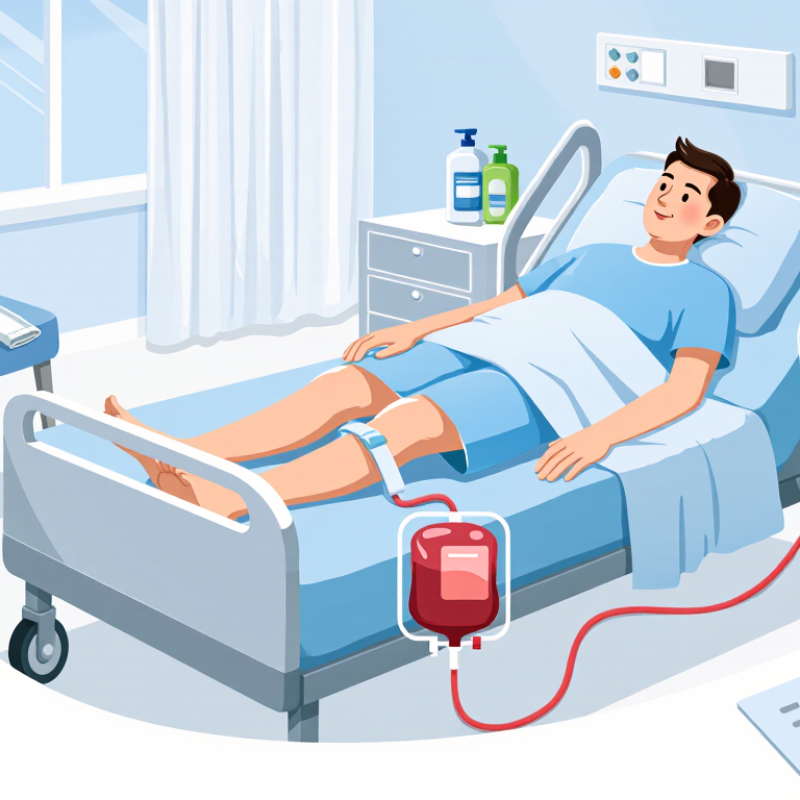
Long-term urinary drainage should begin with a clear clinical need, not convenience alone. A healthcare professional may consider it for persistent retention, certain wounds, severe mobility limits, or comfort-focused care. The decision should include alternatives, such as intermittent catheterization or external devices, when appropriate.
CDC materials commonly note a 3–7% daily risk of bacteriuria with an indwelling urinary catheter. Risk accumulates quickly. After one month, bacterial growth is not unusual.
Define the need and review it regularly. Ask whether the catheter still improves bladder emptying, skin protection, sleep, or daily care. A scheduled reassessment can prevent unnecessary months of drainage.
Keep the collection bag below bladder level, avoid kinks, and secure tubing without pulling the urethra. Gentle daily hygiene is usually enough; aggressive cleaning can irritate skin.
Maintain fluids unless a clinician has prescribed restriction. Cloudy urine alone does not prove infection, and antibiotics are not automatically needed for bacteria without symptoms.
Fever, new confusion, flank pain, worsening discomfort, or blocked drainage needs prompt medical review.
I have seen comfort plans fail when tubing is technically secure but presses against the thigh all night. Small positioning details matter. Reassessment is easy to postpone, and that is one weakness worth correcting.
Long-term urinary drainage starts with a clear clinical indication. The safest choice may be intermittent catheterization, not an indwelling catheter. CDC guidance recommends avoiding catheter use when alternatives are practical.
About 75% of hospital-acquired urinary tract infections are linked to urinary catheters, according to CDC estimates. The CDC NHSN 2023 Annual Report also continues tracking catheter-associated urinary tract infections as a major patient-safety measure.
Choose the smallest suitable catheter that provides adequate drainage. A trained clinician should assess urethral injury, blockage history, mobility, and expected duration.
For prolonged use, silicone may help when repeated obstruction occurs, but it is not automatically best for everyone.
Secure the catheter without pulling. Check the thigh or abdomen after movement, bathing, and sleep. Skin can redden quietly.
Keep the drainage bag below bladder level. Maintain a closed system. Ensure tubing has no bends, loops, or pressure points.
Empty the bag using a clean container without touching the outlet. Hand hygiene remains essential. It sounds basic. It is often missed.
CDC guidance does not support routine bladder irrigation or scheduled catheter changes without clinical need. Some home routines feel reassuring, yet unnecessary handling can increase risk.
Review the catheter’s need daily with a healthcare professional, especially after fever, pain, cloudy urine, leakage, reduced output, or new confusion.
(Sources: CDC, Guideline for Prevention of Catheter-Associated Urinary Tract Infections; CDC NHSN Patient Safety Component Annual Report, 2023.)
Long-term urinary drainage is safer and more comfortable when hygiene becomes a calm, repeatable routine. Wash your hands with soap and water before touching the catheter, tubing, or drainage bag. Clean your hands again after care, even when gloves are used. Gloves add protection, but they do not replace hand hygiene. Gently clean the area around the catheter with mild soap and water, then pat it dry. Avoid harsh products, powders, and vigorous rubbing, which may irritate sensitive skin.
Protect the closed drainage system. Avoid disconnecting the catheter and tubing unless a trained healthcare professional instructs you. Keep the bag below bladder level, and check that the tubing has no bends or pressure points. Secure the tubing carefully to reduce pulling during movement. Empty the bag using a clean container, without letting the outlet touch any surface. It is easy to focus on the bag and forget the hands. That small mistake matters.
Tips: Check the system during routine activities, such as dressing or bedtime. Watch for fever, increasing pain, unusual redness, foul-smelling urine, blood, leakage, or little drainage. Contact a healthcare professional promptly if these signs appear. Comfort can also improve when clothing stays loose and the tubing follows a natural path. Care routines are not perfect every day; correcting an overlooked step is better than ignoring it.
Each drainage-care episode includes hand hygiene immediately before care and immediately after care. The drainage system should remain closed whenever possible to reduce contamination risk and support patient comfort. The chart shows recommended care checkpoints, not patient outcome data.
Long-term urinary drainage becomes more comfortable when the tubing follows the body naturally. Keep the drainage bag below bladder level, as recommended by the CDC. This position supports downward flow and helps reduce backflow into the bladder. Never rest the bag on the bed beside the hips.
Secure the tubing gently to the thigh or abdomen, leaving enough slack for movement. Tight tubing can pull at the catheter during sleep, walking, or repositioning. Check for bends under clothing, blankets, and wheelchair cushions. A hidden kink may stop drainage before discomfort becomes obvious. Empty the bag before it becomes heavy. Weight can create unwanted traction.
Small details matter. During transfers, keep the bag lower than the bladder and avoid lifting it across the body. Wash hands before and after handling the system. Do not disconnect the tubing unless a qualified clinician instructs you. I have found that rushed adjustments can create problems, even when the equipment appears clean.
Watch for lower abdominal pain, leaking, fever, blood, cloudy urine, or little drainage. These signs need prompt medical advice, especially if the bag remains empty despite drinking normally. An occasional awkward position is easy to miss, so checking the tubing at regular intervals is sensible. Some people need a different securement method or drainage schedule; a nurse or prescriber should guide those changes.
Long-term urinary drainage is safer when urine output is measured, not guessed. KDIGO defines oliguria as less than 0.5 mL/kg/hour for six to twelve hours. For a 70-kilogram adult, that equals less than 35 mL hourly. Record output at consistent times, and note fluid intake, fever, vomiting, or recent surgery. One low reading may reflect dehydration. Repeated low readings need prompt clinical assessment.
Watch the tubing and the person. The collection bag should stay below bladder level, with tubing free from bends or pressure. This follows CDC catheter-care guidance. New lower abdominal pain, fever, chills, confusion, blood, cloudy urine, leakage, or suddenly absent drainage are warning signs. Do not wait for a strong odor alone. It is an unreliable test.
The CDC NHSN surveillance reports catheter-associated infections by catheter-days and care location, showing why risk cannot be judged from one patient’s appearance. A clean-looking system may still obstruct. A practical weakness is relying on routine charting without checking the bedside setup. During each observation, inspect the drainage path, empty the bag safely, and compare the output with earlier readings. Contact a qualified clinician urgently when oliguria persists, output stops, or warning signs appear. (KDIGO AKI Guideline, 2012; CDC Guideline for Prevention of CAUTI; CDC NHSN Patient Safety Component Manual.)
Use one only for a clear clinical reason. Intermittent catheterization may be safer when practical. Review the need daily.
Choose the smallest catheter that drains adequately. A trained clinician should consider blockage history, urethral injury, mobility, and expected duration. Silicone may help with repeated obstruction, but it is not automatically best.
Secure it without pulling. Check the thigh or abdomen after walking, bathing, and sleeping. Skin redness can develop quietly.
Keep the bag below bladder level. Keep tubing straight, without bends, loops, or pressure points. A natural tubing path helps during movement.
Wash hands before and after care, even when gloves are worn. Avoid disconnecting tubing unless instructed by a trained professional. Empty the bag with a clean container, without touching the outlet.
Clean around the catheter with mild soap and water. Pat the area dry. Avoid powders, harsh products, and vigorous rubbing. Gentle care matters.
Output below 0.5 mL/kg/hour for six to twelve hours may indicate oliguria. For a 70-kilogram adult, that is below 35 milliliters hourly. Record readings consistently. One low result may reflect dehydration, but repeated low results need assessment.
Contact a qualified healthcare professional for fever, chills, new confusion, increasing pain, blood, cloudy urine, leakage, or little drainage. Suddenly absent output is especially concerning. Do not rely on odor alone.
No. Routine irrigation and scheduled changes may add unnecessary handling. Follow a specific clinical plan instead. Some routines feel reassuring, but they are not always helpful.
People may document output while overlooking a bent tube beside the bed. Check the person and the entire drainage path. Care is imperfect sometimes; correcting a missed step is better than ignoring it.
How to maintain patient comfort with long-term urinary drainage begins with choosing the right drainage approach for the patient’s clinical needs, mobility, and expected duration of use. Because daily bacteriuria risk may range from 3% to 7%, healthcare professionals should select the safest appropriate catheter, use reliable securement, and establish a suitable drainage arrangement. Catheter care should always be performed with hand hygiene before and after contact, while keeping the system closed whenever possible to reduce contamination and infection risk.
Comfort also depends on preventing unnecessary pulling, pressure, twisting, and kinks in the tubing. The drainage bag should remain below bladder level to support gravity drainage and reduce backflow. Caregivers should regularly check urine flow, color, clarity, volume, and the patient’s comfort. Reduced output, leakage, pain, fever, blood in the urine, or sudden confusion should be reported promptly. Urine output below 0.5 mL/kg/hour may indicate oliguria and requires clinical assessment.

Mainline Medical