Why Do Patients Need Compression Stockings After Surgery?

Time:2026-05-16 Author:Henry
0%

Compression stockings are often prescribed after surgery. Their importance cannot be overstated. Many patients wonder, "Why do patients need to wear compression stockings after surgery?" The answer lies in promoting recovery and reducing complications.

Surgery can lead to reduced blood flow and circulation issues. This condition puts patients at risk for blood clots. Compression stockings help combat this risk. They apply pressure to the legs, aiding blood circulation. Enhanced circulation speeds up the healing process.

Beyond preventing clots, these stockings can alleviate swelling. Post-surgery swelling can be uncomfortable and frustrating. Patients often experience this discomfort, impacting mobility. Compression stockings provide a practical solution. Patients may question their necessity, but the benefits are clear. Effective recovery often requires small sacrifices, like wearing these stockings.
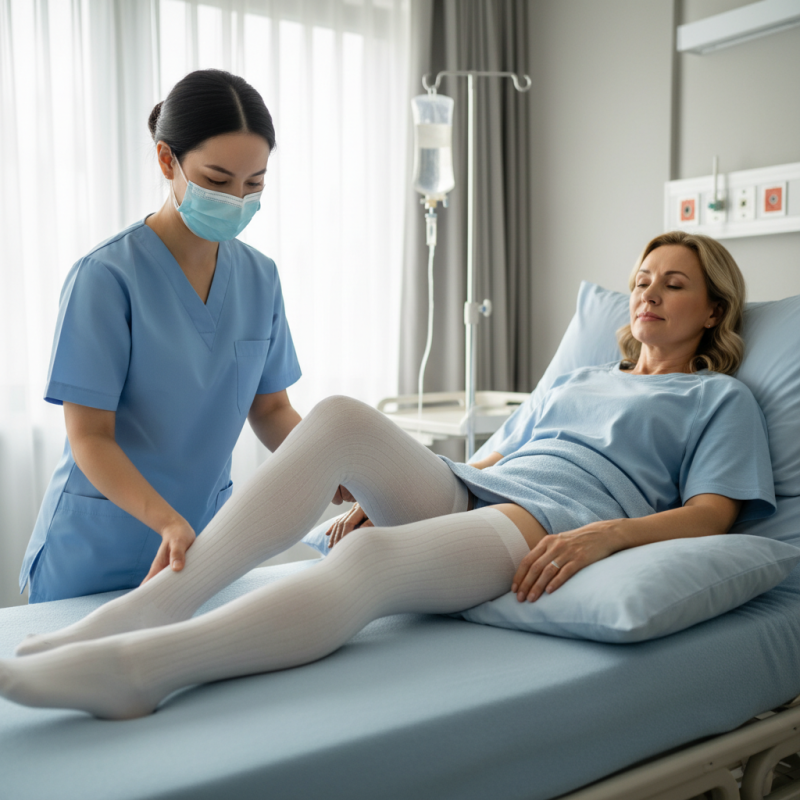
Why Do Patients Need Compression Stockings After Surgery?

The Importance of Compression Stockings in Post-Surgical Recovery

Compression stockings play a vital role in post-surgical recovery. They are designed to improve blood circulation and reduce the risk of complications. After surgery, patients often face issues like swelling and the formation of blood clots. In fact, studies show that around 30% of surgical patients may develop venous thromboembolism if not properly managed.

Wearing compression stockings helps in managing these risks by applying pressure to the legs. This pressure encourages blood flow back to the heart, minimizing sluggish blood circulation. A report from the American College of Chest Physicians indicates that utilizing compression therapy can lower the incidence of deep vein thrombosis by up to 50%. These stockings can be critical for patients undergoing orthopedic or major abdominal surgeries, where immobilization increases risks.

Tips for using compression stockings: Ensure the right fit to maximize benefits. Stockings that are too tight may cause discomfort. It's essential to wear them as directed, typically for several weeks post-surgery. Regularly check your legs for signs of increased swelling or unusual discomfort. If you notice any issues, consult your healthcare provider promptly.

How Compression Stockings Prevent Blood Clots After Surgery

Compression stockings play a vital role in post-surgery recovery. They create pressure on the legs, which promotes blood circulation. After surgery, patients are often less mobile. This reduced movement can lead to blood clots, known as deep vein thrombosis (DVT). Compression stockings help mitigate this risk effectively.

How do they work? These stockings apply graduated pressure. The tightest fit is around the ankle, gradually loosening as they move up the leg. This design encourages blood flow back to the heart. Many studies indicate a significant reduction in clot formation among patients who wear these stockings post-operation.

Tips for Using Compression Stockings:
Keep the stockings clean and dry. Check for any signs of discomfort or skin irritation. If any arise, consult your healthcare provider immediately. Wear them consistently, especially during long periods of sitting or lying down. Regular movement, even if limited, can also help enhance circulation.

It’s worth reflecting on the need for proper fitting. Stockings that are too loose may not provide the necessary support. On the other hand, those that are too tight can cause additional discomfort. Consulting a healthcare professional for a fitting can ensure optimal benefits.

Impact of Compression Stockings on Preventing Blood Clots After Surgery

The chart above illustrates the effectiveness of compression stockings in reducing the incidence of blood clots after surgery. As shown, patients who did not use compression stockings had a 30% incidence rate of blood clots, while those who used them experienced only a 5% incidence rate, highlighting the importance of using compression stockings post-surgery.

The Mechanism of Action: How Compression Stockings Support Circulation

Compression stockings play a crucial role in post-surgical recovery. Their primary mechanism of action lies in enhancing venous return and reducing the risk of thromboembolism. According to a study published in the Journal of Vascular Surgery, patients wearing compression stockings experienced a 50% decrease in deep vein thrombosis (DVT) occurrences compared to those not using them. This statistic underscores the importance of circulation support after surgery.

The graduated compression design improves blood flow. Tighter at the ankle, the stockings gradually loosen toward the knee, effectively aiding venous pressure. This design can enhance venous return by up to 30%, stimulating circulation. The use of compression has been endorsed by the American College of Chest Physicians in their guidelines, further emphasizing its reliability.

However, not every patient may tolerate compression stockings well. Some report skin irritation or discomfort. This highlights the need for proper fitting and education on usage. Continuous feedback from patients is vital. It ensures stockings are beneficial while also addressing any issues that may arise. The goal is effective recovery coupled with patient comfort.

When and How to Use Compression Stockings Post-Surgery

After surgery, patients often experience reduced mobility and changes in blood circulation. This is where compression stockings come into play. They help promote blood flow in the legs, reducing the risk of blood clots and swelling. The snug fit of the stockings gently squeezes the legs, aiding venous return. This mechanism is vital for recovery, especially for patients undergoing orthopedic or abdominal surgeries.

When to start using compression stockings is crucial. Patients should wear them as soon as possible after surgery, often during the hospital stay. The doctor may suggest wearing them at all times, except while showering. It’s important to have a proper fitting for the stockings. Ill-fitting stockings can be uncomfortable and less effective. Seeking guidance from healthcare professionals can ensure the right size and compression level.

Using compression stockings is not without challenges. Some patients may find them uncomfortable or experience skin irritation. It’s important to monitor the leg for any signs of problems. Regular check-ins with healthcare providers can help address issues swiftly. Staying proactive in managing discomfort is essential for a smoother recovery process.

Potential Risks and Considerations of Using Compression Stockings

Compression stockings are often recommended after surgery to enhance blood circulation. While this support can be beneficial, several risks warrant attention. One major concern is improper fit. Stockings that are too tight can lead to discomfort and restricted blood flow. This can counteract the intended benefits and cause complications.

Another consideration is the duration of use. Wearing compression stockings for too long may result in skin irritation or even pressure sores. Patients must be vigilant about their skin condition while using these garments. It’s essential to monitor for redness or swelling and to follow medical advice regarding usage times.

Furthermore, individuals with certain health conditions should consult healthcare providers before using these stockings. Conditions like peripheral artery disease can be exacerbated by compression. Always prioritize discussions with a doctor to assess whether compression garments are appropriate. Awareness and careful management can help mitigate the potential risks associated with post-surgical recovery using compression stockings.

Why Do Patients Need Compression Stockings After Surgery? - Potential Risks and Considerations of Using Compression Stockings

Dimension Details
Purpose Enhance venous return, reduce swelling, and prevent deep vein thrombosis (DVT).
Indications Post-operative recovery, long periods of immobility, varicose veins.
Types of Stockings Knee-high, thigh-high, and full-leg stockings with varying compression levels.
Potential Risks Skin irritation, impaired circulation, and allergic reactions.
Considerations Proper fit, duration of wear, and monitoring of any adverse effects.
Patient Education Importance of compliance, correct application, and when to seek help.

FAQS

: What are compression stockings used for after surgery?

: They improve blood circulation and reduce the risk of complications like swelling and blood clots.

When should I start using compression stockings after surgery?

Start wearing them as soon as possible, often during your hospital stay, unless advised otherwise.

How do compression stockings work?

They gently squeeze the legs, promoting blood flow back to the heart and aiding recovery.

Are there risks associated with wearing compression stockings?

Yes, improper fit can cause discomfort and restricted blood flow. Skin irritation is also possible.

How can I ensure the right fit for compression stockings?

Seek guidance from healthcare professionals to find the right size and compression level.

What should I do if I experience discomfort while wearing stockings?

Monitor your legs for issues. If discomfort persists, consult your healthcare provider without delay.

How long should I wear compression stockings?

Follow your doctor’s advice, usually for several weeks post-surgery but not while showering.

Can anyone use compression stockings after surgery?

Not everyone should. Consult your doctor if you have health conditions like peripheral artery disease.

What if I notice skin irritation while using compression stockings?

You should check your skin condition regularly. Report any redness or swelling to your healthcare provider.

Why is it essential to monitor my legs while using compression stockings?

To catch any signs of increased swelling or discomfort early, leading to a smoother recovery process.

Conclusion

Compression stockings play a vital role in post-surgical recovery, providing essential support to patients during their healing process. The question arises: "Why do patients need to wear compression stockings after surgery?" The answer lies primarily in their ability to prevent blood clots, a common risk following surgical procedures. By applying consistent pressure to the legs, these stockings enhance blood circulation and reduce the likelihood of venous stasis, which can lead to thrombosis.

Additionally, understanding the mechanism of action behind compression stockings is crucial. They work by promoting venous return, thus alleviating swelling and discomfort. It's important for patients to know when and how to use these stockings to maximize their benefits, while also being aware of potential risks and considerations, including skin irritation and proper fit. Overall, incorporating compression stockings into post-operative care is a key strategy for fostering a smooth recovery.

Henry

Henry

Henry is a dedicated marketing professional with a profound expertise in the company's offerings. With years of experience in the industry, he possesses an impressive understanding of the market dynamics and consumer behaviors that drive success. Henry is committed to sharing his insights through......