Catheter-associated urinary tract infections (CAUTI) pose significant risks in healthcare settings. These infections often stem from prolonged catheter use, leading to complications for patients. Understanding how to prevent catheter-associated urinary tract infections (CAUTI) is crucial for healthcare providers and patients alike.
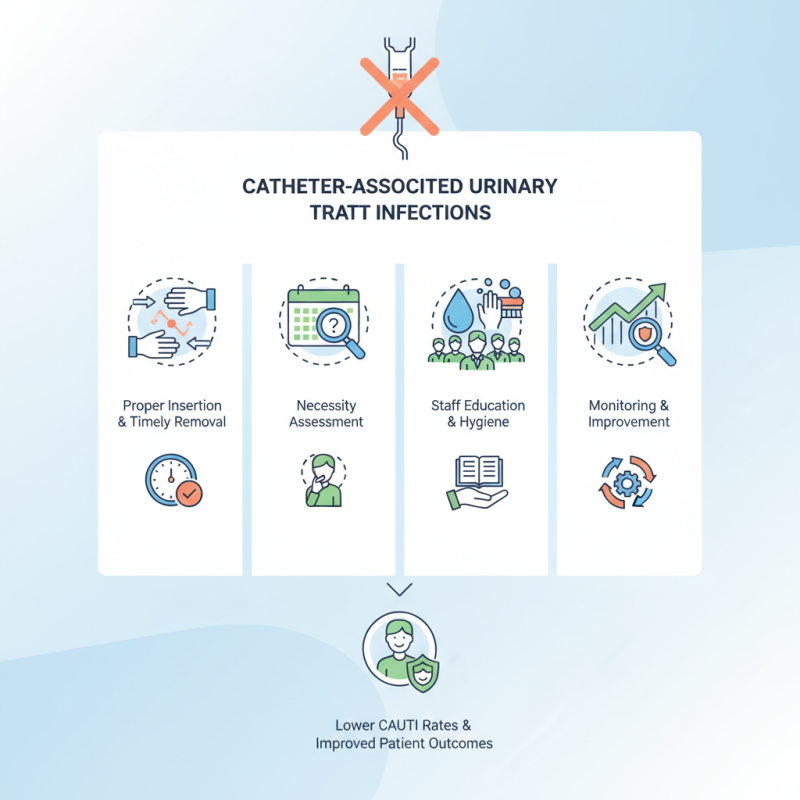
Effective prevention strategies require a comprehensive approach. Proper catheter insertion techniques are essential. Regular assessments of the need for catheterization can reduce unnecessary use. Additionally, educating staff on hygiene practices plays a key role. It's vital to ensure that all personnel involved in catheter management are well-trained and current with best practices.
Even with proper protocols, mistakes can happen. Infections may still arise despite adherence to guidelines. Therefore, continuous monitoring and quality improvement initiatives are necessary. Facilities need to be proactive in addressing CAUTI risks. Reflecting on past incidents helps in refining prevention strategies and enhancing patient safety. Through collective efforts, we can significantly lower CAUTI rates and improve patient outcomes.
Understanding Catheter Associated Urinary Tract Infections (CAUTI)
Catheter Associated Urinary Tract Infections (CAUTI) are a significant concern in healthcare settings. They primarily occur in patients with urinary catheters. Understanding the factors that contribute to CAUTI is crucial for effective prevention. Risk factors include prolonged catheter use, improper insertion techniques, and inadequate hygiene practices. These infections can lead to serious complications, increasing hospital stays and healthcare costs.
Maintaining strict hygiene during catheter placement is essential. Healthcare providers should ensure that the insertion site is cleaned thoroughly. Additionally, patients and staff must be educated about proper catheter care. Regular monitoring and timely catheter removal when no longer necessary can also reduce the risk of infection. Some may overlook the importance of these practices.
Regular training sessions can reinforce their significance, though awareness might still be lacking. Despite these efforts, CAUTI rates remain a challenge. Not all healthcare facilities implement the best practices consistently. Reflecting on the barriers to implementation can help address these gaps. Engaging patients in their care may empower them to advocate for safe catheter practices. Building a culture of safety within healthcare systems is vital.
It might be a slow process, but every step taken can contribute to reducing CAUTI occurrence.
Identifying Risk Factors for CAUTI in Patients with Catheters
Catheter-associated urinary tract infections (CAUTI) can be challenging for healthcare providers. Understanding risk factors is crucial for prevention. Studies indicate that nearly 70% of CAUTIs are associated with indwelling catheters. Among patients in long-term care facilities, the risk increases significantly. For example, a study published in the *American Journal of Infection Control* reported that CAUTIs are the most common nosocomial infection in these settings.
Identifying patients at risk is vital. Factors include prolonged catheterization, poor hygiene, and underlying health conditions, like diabetes. A recent report from the Centers for Disease Control and Prevention (CDC) states that each additional day of catheterization raises infection risk by 5-10%. Patients with compromised immune systems are at higher risk as well, requiring careful monitoring.
Tip: Implement standard hygiene protocols. Regular education and training for healthcare staff can ensure adherence.
It's also important to reassess the need for catheters frequently. A proactive approach can help minimize exposure to infection. Avoid unnecessary catheterizations; explore alternatives wherever possible.
Tip: Encourage patients to stay hydrated. Adequate fluid intake helps flush the urinary tract. This simple action can significantly reduce infection risk.
Risk Factors for Catheter Associated Urinary Tract Infections (CAUTI)
Implementing Effective Catheter Care and Maintenance Practices
Catheter-associated urinary tract infections (CAUTIs) can be serious, but proper catheter care significantly reduces risks. Understanding effective maintenance practices is crucial for patient safety.
Regular cleaning is essential. Use mild soap and water to cleanse the catheter site daily. This practice helps prevent bacteria buildup. Ensure that gloves are worn when performing any care tasks. It’s a small step but greatly reduces contamination risks.
Pay attention to catheter drainage bags. Always keep them below the level of the bladder to avoid backflow. Empty the bags regularly to prevent overflow. Use a dedicated container for waste disposal. This reduces exposure to pathogens.
Educate patients and caregivers about symptoms of infection. Signs like fever or unusual odor from the urine should prompt immediate action. Anticipate challenges such as discomfort during maintenance. Open communication can help address concerns effectively and improve care outcomes.
How to Prevent Catheter Associated Urinary Tract Infections CAUTI? - Implementing Effective Catheter Care and Maintenance Practices
| Practice |
Description |
Frequency |
Responsibility |
| Hand Hygiene |
Wash hands thoroughly before and after handling catheter. |
Before each intervention |
Healthcare providers |
| Catheter Insertion |
Use sterile technique during catheter insertion. |
At time of placement |
Qualified personnel |
| Regular Maintenance |
Check and maintain catheter position and patency. |
Daily |
Nursing staff |
| Secure Catheter |
Ensure catheter is secured to reduce movement. |
As needed |
Nursing staff |
| Bag Position |
Keep urine bag below the level of the bladder. |
Continuously |
Healthcare providers |
Utilizing Alternative Catheterization Methods to Reduce CAUTI Rates
Catheter-associated urinary tract infections (CAUTIs) are a significant concern in healthcare, with estimates suggesting they account for over 30% of hospital-acquired infections. To reduce CAUTI rates, healthcare providers are increasingly looking at alternative catheterization methods. These alternatives not only prioritize patient comfort but also significantly decrease infection risks.
One effective strategy is intermittent catheterization. Research indicates that this method reduces CAUTI incidence by up to 80% compared to indwelling catheters. Unlike continuous catheters, intermittent use allows for more regular bladder emptying, limiting the potential for bacterial growth. Moreover, employing sterile techniques during this process is critical for maintaining hygiene and minimizing infection risks.
Additionally, innovative technologies like silicone-coated catheters have been developed. These materials are designed to reduce friction and trauma within the urethra, lessening irritation. Studies show that these catheters can lead to a 50% reduction in CAUTI rates. However, healthcare professionals must continuously evaluate the efficacy and patient outcomes linked to various catheter types. This involves understanding each patient's unique needs and the potential complications tied to prolonged catheter use.
Educating Healthcare Staff and Patients on CAUTI Prevention Strategies
Catheter-associated urinary tract infections (CAUTIs) remain a significant concern in healthcare settings. Educating healthcare staff plays a critical role in prevention. According to the Centers for Disease Control and Prevention (CDC), CAUTIs account for over 30% of hospital-acquired infections. This staggering statistic highlights the urgency for training programs focused on best practices for catheter insertion and maintenance.
Implementing hands-on training and regular refresher courses can help reinforce proper techniques. Nurses and staff should understand the importance of aseptic practices and routine catheter care. Moreover, patient education is equally important. Patients should be informed about the signs of infection and encouraged to ask questions. A study published in the American Journal of Infection Control showed that patient awareness reduced infection rates by 20%.
Despite these efforts, gaps remain. Some healthcare providers may underestimate the impact of proper catheter management. Even with education, adherence to protocols can vary. Continuous monitoring and feedback can improve compliance. This iterative process is vital in fostering a culture of safety around catheter use. The goal should be to empower both staff and patients, leading to a significant reduction in CAUTIs.
Conclusion
Catheter-associated urinary tract infections (CAUTI) are a significant concern in healthcare settings, primarily affecting patients with indwelling catheters. Understanding the mechanisms behind CAUTI is crucial for prevention. Identifying risk factors, such as prolonged catheter use and poor hygiene practices, enables healthcare professionals to target interventions effectively. To prevent catheter-associated urinary tract infections (CAUTI), implementing effective catheter care and maintenance practices is essential. This includes regular cleaning and prompt catheter removal when no longer necessary.
Additionally, exploring alternative catheterization methods, such as intermittent catheterization, can further reduce CAUTI rates. Education for both healthcare staff and patients about CAUTI prevention strategies is also vital. By fostering awareness and adherence to best practices, the health risks associated with catheters can be significantly minimized, ultimately leading to improved patient outcomes.

 Mainline Medical