Proper sterilization of reusable anesthesia masks is crucial for patient safety and infection control. Hearing about outbreaks due to inadequate sterilization is alarming. It raises a vital question: How to properly sterilize reusable anesthesia masks? This process requires specific knowledge and a systematic approach.
Effective sterilization goes beyond just washing. It involves understanding the materials of the masks and the proper techniques. The type of disinfectants used, their concentration, and exposure time matter significantly. Each step must be executed with precision to ensure masks are free from pathogens.
Furthermore, there are challenges in the sterilization process. Some masks may become damaged after repeated sterilization, which impacts their effectiveness. Reflecting on the balance between cost, safety, and durability is essential. Ultimately, a comprehensive understanding of sterile practices can lead to safer environments for patients and healthcare providers alike.
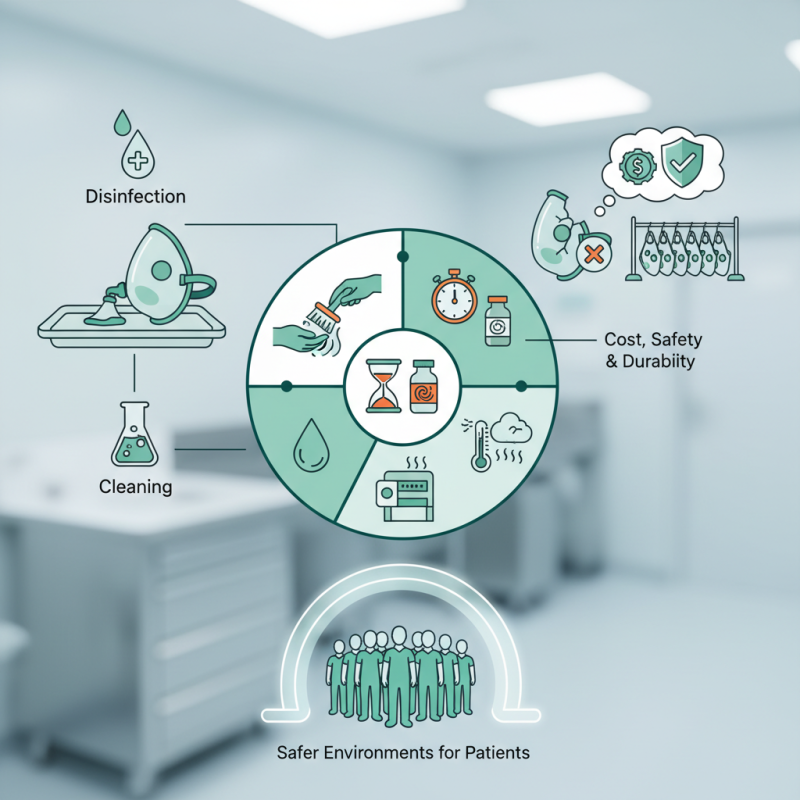
Cleaning reusable anesthesia masks is critical in healthcare settings. Proper sterilization helps prevent infections and enhances patient safety. According to a study by the American Society of Anesthesiologists, improper cleaning can lead to contamination rates as high as 20% among reused equipment.
It's essential to follow established cleaning protocols. Start by rinsing masks in cold water to remove debris. Use an approved disinfectant that’s effective against common pathogens. Soak the masks for the recommended time, typically 10 minutes. Rinse thoroughly with sterile water afterward to remove any chemical residue.
Tips: Ensure that all cleaning staff are trained regularly. This helps maintain a high standard of hygiene. Additionally, consider conducting random checks of sterilization practices. Regular audits can highlight areas that need improvement.
Remember that not all masks are created equal. Some materials may retain pathogens despite proper cleaning. Always inspect masks for wear and damage after each use. Replace any that show signs of deterioration. Keeping a log of sterilization cycles can also help track compliance and identify patterns that may need addressing.
| Step | Description | Time Required | Temperature |
|---|---|---|---|
| 1 | Visual Inspection | 5 minutes | N/A |
| 2 | Pre-cleaning with soap and water | 10 minutes | Room Temperature |
| 3 | Rinsing | 5 minutes | Room Temperature |
| 4 | Disinfection using appropriate chemical solution | 15 minutes | Room Temperature |
| 5 | Final Rinse with sterile water | 5 minutes | Room Temperature |
| 6 | Drying in a clean environment | 30 minutes | Room Temperature |
| 7 | Storage in a sterile container | N/A | N/A |
In anesthesia, the risk of infection can be significant. Proper sterilization of reusable anesthesia masks is crucial. Anesthesia masks come into direct contact with patients, making them a potential source of infection. Neglecting sterilization can lead to serious complications. Understanding the importance of clean practices is vital for patient safety.
**Tips**: Always clean masks immediately after use. Use appropriate cleaning agents to remove organic materials. Rinse thoroughly to avoid residue.
Disinfection techniques vary by material. Some masks may tolerate higher temperatures, while others do not. Recognize that improper techniques could compromise the equipment's integrity. It’s essential to follow manufacturer guidelines closely.
**Tips**: Regularly inspect masks for wear and tear. Replace any that show signs of damage. User training is crucial in maintaining sterilization protocols. Invest time in learning best practices for equipment handling. This not only promotes safety but also extends the life of your equipment.
Sterilizing reusable anesthesia masks is crucial for patient safety. Improper techniques can lead to infections, potentially compromising patient health. A recent report highlighted that nearly 15% of healthcare-associated infections stem from contaminated medical equipment. Effective sterilization must utilize standardized procedures.
Chemical sterilization techniques are a popular choice. One method involves soaking masks in a 2% glutaraldehyde solution for at least 20 minutes. This method is effective against bacteria, viruses, and fungi. Additionally, ensuring all surfaces are covered is vital for complete sterilization. Rinsing the masks thoroughly afterward is essential to remove any chemical residue.
Tips: Always check the manufacturer's guidelines when using chemical agents. Overexposure to glutaraldehyde can lead to skin irritation. Ensure you're working in a well-ventilated area to minimize inhalation risks. Regularly monitoring the efficacy of your sterilization solutions is also advised. Once sanitized, store the masks in a clean, dry environment to prevent recontamination.
Documentation plays a key role in establishing trust. Record sterilization dates and methods used. Inconsistent practices could lead to errors, increasing the risk of infection. Regular staff training reinforces the importance of proper procedures. Individual accountability can significantly enhance patient safety and overall outcomes.
When it comes to the sterilization of reusable anesthesia masks, choosing the right method is critical. A recent study published in the "Journal of Clinical Anesthesia" reported that steam sterilization effectively kills 99.99% of common pathogens. However, certain materials used in the masks may degrade under high heat. This raises concerns about the long-term use of masks after repeated exposures to steam.
Another effective method is ethylene oxide sterilization. This process ensures that delicate materials are not compromised, but it requires longer exposure times and adequate ventilation. In a comparative study, ethylene oxide was shown to maintain the integrity of silicone masks better than steam. However, the process must be conducted in specially designed chambers to prevent residual gases.
**Tips**: Always check the material compatibility before choosing a sterilization method. Regularly inspect masks for any signs of wear or damage. Consider integrating a validation protocol to confirm the efficacy of the chosen sterilization process.
It's also worth noting that many facilities still lack standardized protocols for sterilization. As per the "Anesthesia Patient Safety Foundation," inconsistent practices can lead to cross-contamination risks. Careful monitoring and continuous improvement in sterilization practices are essential for patient safety in surgical settings.
When it comes to handling sterilized anesthesia masks, safety is paramount. Ensure you store masks in a clean, designated area. This reduces the risk of contamination. Use a closed cabinet or a sterilization container with proper labeling. Proper labeling helps maintain organization and quickly identifies the condition of each mask.
Before handling these masks, wash your hands thoroughly. Employ proper hand hygiene techniques. This step is crucial for preventing any transfer of germs. Use gloves if necessary, especially when placing or retrieving masks from storage. It is vital to regularly inspect masks for any signs of damage or wear. A small tear can affect both safety and functionality.
Be mindful of the expiry dates of sterilized masks. If a mask is past its expiration, it should be discarded. Use an effective system to track these dates. Maintain strict adherence to storage conditions, such as temperature and humidity. This might seem tedious, but it is essential to ensure that masks are safe for patient use. Always be aware of potential risks related to improper storage and handling; they can lead to severe consequences in a clinical setting.
: Proper sterilization prevents infections, ensuring patient safety. Contaminated equipment can lead to serious complications.
Clean masks immediately after use. Use appropriate agents to remove organic materials and rinse thoroughly.
Soak masks in a 2% glutaraldehyde solution for at least 20 minutes. Ensure all surfaces are covered for effectiveness.
Overexposure can lead to skin irritation, so work in well-ventilated areas to minimize inhalation risks.
Steam sterilization can kill 99.99% of pathogens, but some masks may degrade under high heat.
Ethylene oxide sterilization is gentle on delicate materials, but requires longer exposure times and specialized chambers.
Documentation establishes trust and can prevent errors. Inconsistent practices increase the risk of infection.
Many facilities lack standardized protocols, leading to cross-contamination risks. Continuous improvement is necessary.
User training reinforces the importance of proper procedures. This promotes safety and extends the equipment’s life.
Regularly inspect masks for damage and replace any showing signs of wear. This is crucial for maintaining safety.
In the field of healthcare, understanding how to properly sterilize reusable anesthesia masks is crucial for ensuring patient safety and minimizing infection risks. Best practices for cleaning these masks involve thorough pre-cleaning, appropriate use of chemical agents, and adherence to sterilization protocols. A step-by-step guide can help healthcare professionals effectively implement chemical sterilization techniques, ensuring that all contaminants are eradicated.
Furthermore, it is essential to evaluate the effectiveness of various sterilization methods to identify the most reliable options for maintaining mask hygiene. Finally, safety guidelines for handling and storing sterilized anesthesia masks play a vital role in preserving their integrity and readiness for safe use. By following these practices, healthcare facilities can optimize the reusability of anesthesia masks while safeguarding patient health.

Mainline Medical