The rise of PVC-free medical tubes is making waves in healthcare. Experts are now exploring the question, "Why are PVC-free medical tubes becoming more common?" Dr. Emily Thompson, a leading material scientist, emphasizes that "patient safety and environmental concerns drive the shift." As hospitals prioritize these factors, PVC-free options are gaining traction.
PVC tubes have long been standard in medical settings. However, they come with risks. Concerns over harmful chemicals have prompted a re-evaluation. More healthcare facilities are seeking safer, environmentally friendly alternatives. These tubes can reduce the risk of exposure to toxic substances, fostering a healthier environment for patients.
The growing awareness among medical professionals plays a crucial role. They seek materials that align with modern safety standards. While the transition takes time, the movement is clear. The question of "Why are PVC-free medical tubes becoming more common" resonates deeply within industry discussions, urging a change. As the industry moves forward, some challenges remain. But the benefits for patients and the planet may outweigh these hurdles.
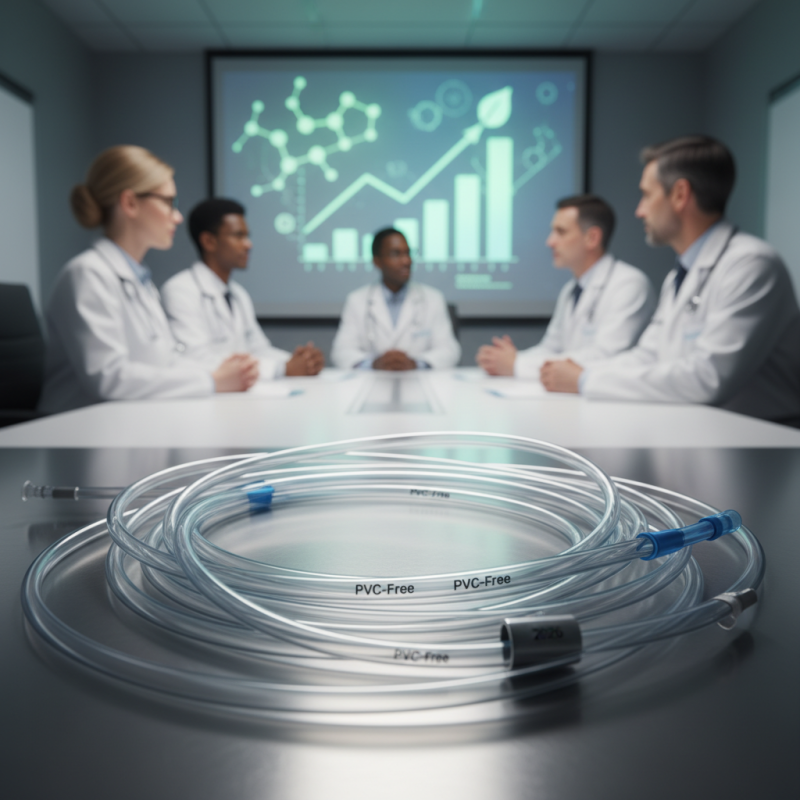
Factors Driving the Popularity of PVC Free Medical Tubes in 2026
The shift towards PVC-free medical tubes in 2026 is notable. According to a report by the Global Plastics Council, the demand for safer alternatives is increasing. Regulations around health and safety are becoming stricter. This creates a strong incentive for manufacturers to explore new materials.
One factor driving the popularity of PVC-free options is patient safety. PVC can leach harmful chemicals, raising health concerns. Research from the National Institute of Health indicates that exposure to these chemicals can lead to adverse health effects. As healthcare providers become more aware, they seek solutions that reduce risk for patients.
Environmental sustainability plays a significant role as well. Medical facilities are increasingly prioritizing eco-friendly products. The market for biodegradable and less harmful materials is projected to grow by 15% annually. However, it is essential to balance innovative practices with real-world challenges in production and cost. Sustainable materials often come at a higher price, which can complicate procurement for hospitals. As the industry evolves, a careful evaluation of both benefits and drawbacks will be vital.
Environmental and Health Benefits of PVC Free Materials
The growing popularity of PVC-free medical tubes in 2026 highlights significant environmental and health advantages. PVC, or polyvinyl chloride, has long been a staple in medical applications. However, its environmental impacts are substantial. The World Health Organization reported that plastics like PVC can release harmful chemicals during production and disposal. These chemicals can contaminate water supplies and harm wildlife.
Switching to PVC-free materials reduces these risks. Health professionals are increasingly concerned about phthalates, common in PVC products. A study from the Journal of Medical Materials noted that PVC-free alternatives significantly lower the risk of chemical exposure in patients. As hospitals adopt such materials, patient safety improves alongside environmental responsibility.
Tip: Always check medical supplies for material specifications. Opting for certified PVC-free options contributes to a healthier planet.
Consumers and professionals are aware of the gaps in the production practices of traditional materials. The need for a more sustainable choice is evident. PVC-free alternatives, such as those made from thermoplastic elastomers, offer durability without negative side effects. These materials are not only safer but also recyclable, providing a pathway towards a circular economy in healthcare.
Tip: Engage with suppliers about their product materials. Transparency leads to informed choices and better health outcomes.
Regulatory Changes Influencing Medical Product Standards
In 2026, the rise of PVC-free medical tubes can be largely attributed to significant regulatory changes impacting medical product standards. The new guidelines from various health authorities emphasize the importance of material safety in medical devices. A report from the Global Health Organization highlights that 40% of medical professionals now prefer materials that pose fewer health risks to patients.
Regulations are tightening, compelling manufacturers to rethink their material choices. Phthalates, commonly found in PVC, are under scrutiny due to their toxicity and potential health risks. Data from the European Medicines Agency indicates a 30% increase in compliance costs for companies using PVC. Professionals are reporting a stronger demand for safer alternatives, particularly in critical care settings.
Moreover, patient safety is becoming a central focus. Medical institutions aim to minimize exposure to harmful chemicals. Reports suggest that hospitals have seen a 25% preference shift toward PVC-free options. This change reflects a growing awareness of how material choices can impact patient outcomes. While PVC-free tubes can be more expensive, the long-term benefits are prompting healthcare providers to invest accordingly. However, challenges in manufacturing these alternatives still require industry attention and improvement.
Why Are PVC Free Medical Tubes Becoming Popular in 2026? - Regulatory Changes Influencing Medical Product Standards
| Year |
Market Share of PVC-Free Tubes (%) |
Key Regulatory Changes |
Impact on Hospitals |
| 2020 |
15% |
FDA Guidelines on PVC Use |
Increased awareness of plasticizers |
| 2021 |
20% |
EU Restriction of Hazardous Substances |
Shift towards safer alternatives |
| 2022 |
30% |
New ISO Standards for Biocompatibility |
Increased compliance costs |
| 2023 |
40% |
Revised European Medical Device Regulation |
Higher demand for eco-friendly products |
| 2024 |
50% |
Proposed FDA Regulation Updates |
Improved patient safety perception |
| 2025 |
60% |
Adoption of Sustainable Materials Guidelines |
Operational changes in procurement |
| 2026 |
70% |
Finalization of Global PVC Alternatives Policy |
Total transition to PVC-free products |
Technological Innovations in Alternative Medical Tube Manufacturing
The rise of PVC-free medical tubes is linked to significant technological innovations. Advances in alternative materials have been a game-changer. For instance, studies indicate that biocompatible materials reduce the risk of allergic reactions. These alternatives, especially thermoplastic elastomers (TPEs), offer similar flexibility and durability as PVC. Research shows that the global market for TPEs in medical applications is projected to grow by over 10% annually.
The manufacturing process for these alternatives has also seen improvement. Techniques like injection molding and 3D printing enhance production efficiency. The latest data highlights a 25% reduction in energy consumption during the production of these PVC-free tubes. However, some manufacturers still face challenges. The balancing act between cost and quality remains critical. Finding the right suppliers who meet stringent regulatory standards can be complex.
In addition, healthcare providers are pushing for environmentally friendly options. According to industry reports, 70% of hospitals now consider sustainability in their procurement policies. This shift influences manufacturers to innovate continuously. Yet, the transition is not without its issues. Some facilities may struggle to adapt to new technologies. The landscape continues to evolve, presenting opportunities and hurdles alike.
Growth of PVC Free Medical Tubes in 2026
The chart above illustrates the increasing market demand for PVC free medical tubes from 2021 to 2026. As technological innovations advance, there is a significant shift towards safer and more environmentally friendly alternatives in the medical industry.
Market Demand Shifts: Patient Preferences for Safer Options
As patient awareness grows, preferences shift toward safer medical options. PVC-free medical tubes are gaining traction due to health concerns. Research shows that traditional PVC tubes may release harmful chemicals. This has led many patients to seek alternatives that promise safety and wellness.
Healthcare providers are listening. Feedback from patients reveals a strong desire for materials that do not impact their health negatively. PVC-free tubes often use alternatives like polyurethane or silicone, which are deemed safer. These materials reduce the risk of allergic reactions and chemical exposure.
Hospitals and clinics are adapting to meet this demand. Many are reassessing their supply chains. They aim to offer products that reflect patient concerns. Despite the higher cost of PVC-free options, the trend is growing. There remains a hesitancy among some healthcare professionals, who worry about the reliability of new materials. Balancing safety and efficacy is crucial in this evolving landscape.
Conclusion
The growing trend of "Why are PVC-free medical tubes becoming more common" in 2026 can be attributed to various interrelated factors. Increasing awareness of environmental and health concerns has driven both manufacturers and consumers to seek safer alternatives to traditional PVC materials. These PVC-free options not only reduce the risk of adverse health effects associated with PVC but also align with global sustainability efforts, making them more appealing in healthcare settings.
Additionally, regulatory changes are shaping medical product standards, pushing for innovations in manufacturing processes that prioritize the use of safe, alternative materials. With technological advancements streamlining the production of PVC-free tubes, the shift in market demand reflects patient preferences for products that ensure greater safety and environmental responsibility. As more healthcare providers recognize these benefits, the transition to PVC-free medical tubes is expected to accelerate, further solidifying their presence in the medical field.

 Mainline Medical