2026 How to Safely Dispose of Used Medical Tubing Properly?

Time:2026-05-19 Author:Oliver
0%

In today's healthcare landscape, the safe disposal of medical tubing is a crucial concern. According to Dr. Emily Lawson, a leading expert in medical waste management, "Improper disposal not only poses health risks but also environmental hazards." Understanding how to dispose of used medical tubing safely is essential for both healthcare professionals and patients.

Medical tubing can harbor harmful contaminants. Therefore, it requires careful handling during disposal. Every piece, from IV lines to catheters, should be treated as potentially hazardous. Facilities must implement protocols that comply with safety regulations.

Experts emphasize the importance of proper disposal methods. Dr. Lawson further acknowledges, "Everyone involved in the process must be educated to ensure safety." This reflects the ongoing need for awareness in healthcare. Implementing safe practices requires reflection to improve current systems. Only then can we truly protect ourselves and the environment from the consequences of improper disposal.
2026 How to Safely Dispose of Used Medical Tubing Properly?

Understanding the Importance of Proper Medical Tubing Disposal

Improper disposal of used medical tubing poses serious environmental risks. This tubing, often made of PVC or other polymers, does not decompose easily. According to a report by the International Solid Waste Association, up to 75% of medical waste, including tubing, can end up in landfills. This can lead to soil and water contamination. When disposed of incorrectly, the chemicals in these materials can seep into groundwater, affecting local ecosystems.

Hospitals and clinics need clear protocols for disposal. The World Health Organization recommends segregating medical waste at the point of generation. Failure to do this can lead to cross-contamination with regular waste. The Environmental Protection Agency suggests that only 15% of medical waste is actually hazardous, yet all of it still requires proper handling. Ensuring that tubing is disposed of safely might involve incineration or specialized recycling processes.

Yet, many facilities still lack effective training on waste segregation. Some staff are unsure of the correct procedures. Anecdotal evidence shows that a significant portion of healthcare professionals admit to mixing medical tubes with regular waste purely due to confusion. This underscores the urgent need for improved training and awareness. Understanding the unique challenges of medical waste is paramount in establishing a safer disposal method. It’s clear that education and adherence to best practices are critical components in addressing this ongoing issue.

2026 How to Safely Dispose of Used Medical Tubing Properly? - Understanding the Importance of Proper Medical Tubing Disposal

Type of Medical Tubing Recommended Disposal Method Environmental Impact Health Risks of Improper Disposal
PVC Tubing Heat Treatment or Incineration Releases dioxins if burnt improperly Can lead to contamination and health hazards
Silicone Tubing Recycling or Landfill Disposal Biodegradable but slow decomposition Minimal risk if disposed of correctly
Polyethylene Tubing Recycling or Incineration Low environmental impact if recycled Risk of leaching chemicals into soil
Rubber Tubing Landfill or Compounding Can be recycled in some facilities Potential for mold growth if not disposed properly

Identifying Types of Used Medical Tubing and Their Risks

When dealing with used medical tubing, identifying the type is crucial. Tubing can vary from IV lines to catheters. Each type carries different risks if not managed properly. For example, PVC tubing can release harmful chemicals when incinerated. Meanwhile, silicone tubes may harbor biological contaminants. These distinctions are vital for safe disposal practices.

Understanding the risks helps healthcare professionals make informed decisions. Many healthcare facilities have protocols for managing these materials. However, these procedures are not always followed correctly. Improper disposal may lead to environmental harm or patient safety issues. It's essential to consider local regulations and guidelines. This awareness reduces the risk of exposure to hazardous materials.

It's also important to recognize flaws in existing disposal methods. Medical personnel may lack adequate training or resources. They may not have clear labels or disposal bins. These gaps create confusion and potential health risks. An evaluation of current practices can uncover areas for improvement. By focusing on proper identification and disposal, we can mitigate the dangers associated with used medical tubing.

2026 How to Safely Dispose of Used Medical Tubing: Identifying Types of Used Medical Tubing and Their Risks

This chart displays the various types of used medical tubing and their associated disposal risks, highlighting the importance of proper disposal methods.

Step-by-Step Guide to Safely Collecting Used Medical Tubing

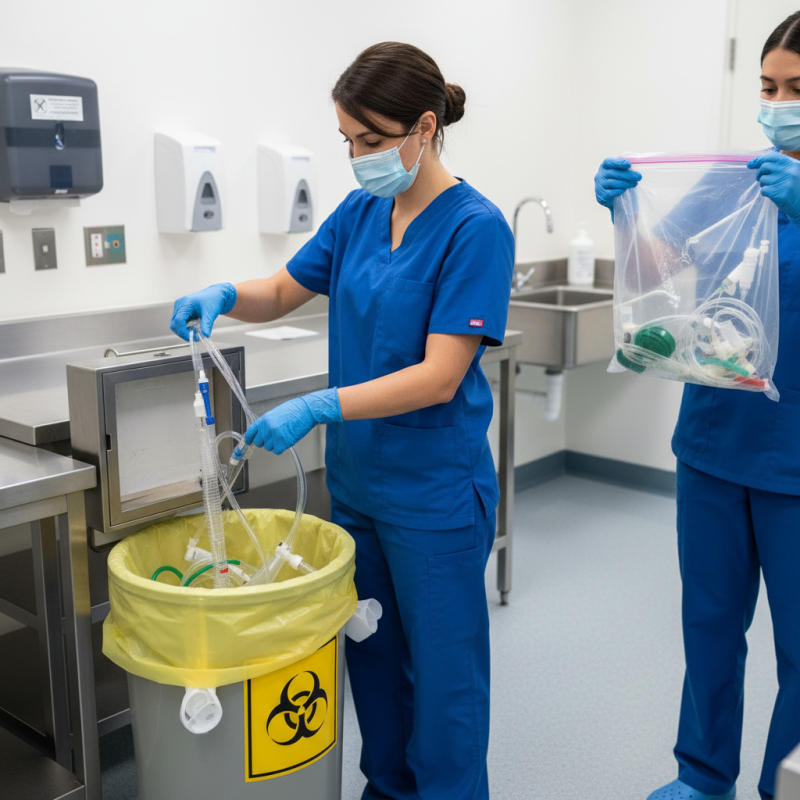
Disposing of used medical tubing requires careful attention. One must always follow specific guidelines. Start by gathering all used tubing in a designated container. This container should be leak-proof and labeled appropriately. Ensure it has a secure lid to prevent any accidental spills. Many facilities recommend using puncture-resistant bins.

Next, when it comes time to dispose, consult local waste management regulations. Regulations vary by region, so it’s essential to be informed. Some areas require that used medical materials be transported to specialized facilities. This can seem tedious, but it ensures safety. Additionally, make sure to wear gloves during the entire process. This minimizes the risk of contamination.

It's easy to overlook details in such a routine task. However, negligence can lead to serious consequences. Training staff on proper disposal techniques can remind them of their responsibility. Regular audits on waste disposal practices can also highlight areas needing improvement. Taking these small steps enhances safety and reduces risks.

Recommended Disposal Methods for Different Medical Tubing Types

Disposing of used medical tubing requires careful consideration and adherence to safety protocols. Different types of medical tubing have unique disposal methods. For example, latex and silicone tubes should be treated as biological waste. These materials can carry pathogens and must be discarded in biohazard containers.

PVC tubing, commonly used in various medical applications, can often be recycled. However, ensure that it is clean and free of any contaminants. Check local regulations to find suitable recycling facilities.

Tips: Always wear gloves when handling used medical tubing to minimize exposure. It’s essential to label disposal containers clearly to avoid confusion.

Polyurethane tubing presents a challenge due to its mixed material composition. It’s critical to consult local waste management guidelines for safe disposal options. Some facilities may have specific protocols for these types.

Tip: Never dispose of medical tubing in regular trash. Improper disposal can lead to environmental and health risks. Regular training for staff involved in disposal is vital to maintain safety standards.

Best Practices for Reducing Environmental Impact from Medical Waste

Medical waste, particularly used medical tubing, poses significant environmental challenges. Disposing of this waste properly is crucial for both health and the environment. Many facilities rely heavily on medical tubing for various procedures. However, improper disposal can lead to pollution and harm to wildlife.

To reduce the environmental impact, facilities should first focus on segregation. Separating medical waste from regular trash is essential. This can prevent contamination and streamline the disposal process. Using labeled bins increases the chances of proper disposal. Reducing the volume of medical tubing used is also key. Exploring alternatives, such as reusable options, can significantly lower waste production.

Education plays a vital role. Staff training on proper disposal techniques helps create a culture of responsibility. Knowing the environmental implications of waste can motivate better practices. Continuous assessment of waste management policies is necessary. This reflection can reveal gaps in strategies and improve overall efficiency in reducing medical waste’s footprint. It is a collective effort that requires ongoing commitment.

FAQS

: What are the environmental risks of improper medical tubing disposal?

: Improper disposal can cause soil and water contamination. Chemicals in tubing can leak into groundwater.

How should medical waste be segregated?

Medical waste should be segregated at the source. This helps avoid cross-contamination with regular waste.

What percentage of medical waste is considered hazardous?

Only about 15% of medical waste is hazardous. However, all medical waste must be handled properly.

What should be done with latex and silicone tubing?

Latex and silicone tubes must be treated as biological waste. They should be discarded in biohazard containers.

Can PVC tubing be recycled?

Yes, PVC tubing can often be recycled if it is clean and free of contaminants. Check local regulations for options.

How can staff improve their disposal practices?

Regular training is crucial. Many staff members admit to mixing medical tubes with regular waste due to confusion.

What risks arise from not using gloves when handling tubing?

Not wearing gloves increases exposure to pathogens. It can lead to health risks for the person handling the waste.

What disposal method is suitable for polyurethane tubing?

Polyurethane tubing disposal requires consulting local waste guidelines due to its mixed material composition.

Why is it important to label disposal containers?

Clear labels help avoid confusion. This is essential for maintaining safety standards during disposal.

What happens when medical tubing is disposed of in regular trash?

Disposing of medical tubing in regular trash leads to significant environmental and health risks. It must be avoided.

Conclusion

Proper disposal of used medical tubing is crucial to ensure safety and minimize environmental impact. This article outlines key aspects of how to dispose of used medical tubing safely, emphasizing the importance of understanding the types of tubing and their associated risks. Different types of medical tubing present various hazards, which necessitate specific disposal methods.

The article provides a step-by-step guide for the safe collection of used tubing, followed by recommended disposal methods tailored to each type. Additionally, it highlights best practices that healthcare providers and individuals can adopt to reduce the environmental footprint of medical waste. By following these guidelines, we can effectively manage used medical tubing and contribute to a healthier environment.

Oliver

Oliver

Oliver is a seasoned marketing professional with a wealth of expertise in driving brand awareness and engagement. With a deep understanding of our company's product offerings, he consistently delivers high-quality content that enriches our professional blog. His insights not only shed light on......