Choosing a urinary catheter is not a simple contest between two materials. It depends on the person, the reason for catheterization, expected duration, and history of sensitivity or blockage. Latex catheters are often flexible and may suit short-term use when latex allergy is not a concern. Silicone catheters contain no natural rubber latex and can be considered for people with latex sensitivity or repeated encrustation. Neither material is best for everyone.
How to choose between silicone and latex urinary catheters starts with a clinician’s assessment, not a package label. Urologist and physician-researcher Dr. Sanjay Saint has studied catheter-related infections and the importance of appropriate catheter use. For material choice, the CDC guideline states: “Silicone might be preferable to other catheter materials to reduce the risk of encrustation in long-term catheterized patients who have frequent obstruction.” That is a specific clinical consideration, not a promise that silicone prevents every blockage. Comfort matters too. A catheter that causes burning, leakage, or visible irritation deserves review. So does recurring sediment in the tubing.
Small details can change the choice: a documented latex reaction, the planned wear time, and prior episodes of blockage. Ask the care team which material fits those facts, and what symptoms should prompt a call. The label alone cannot answer that. Evidence also has limits; individual response varies, and real-world fit may require reassessment. This guide compares the trade-offs for 2026 without treating either material as a universal winner.
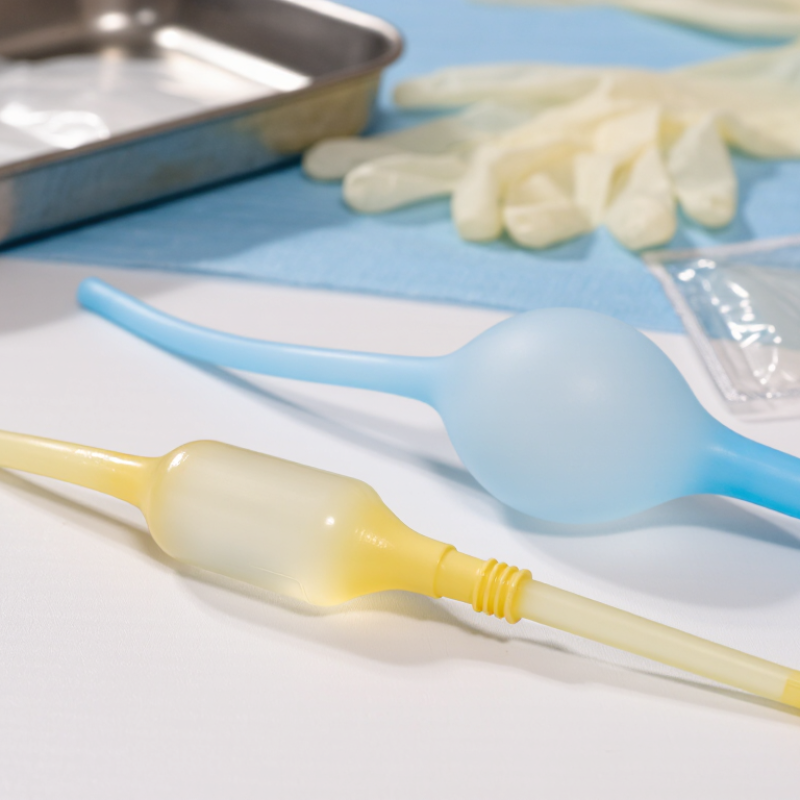
Urinary catheters are flexible tubes that drain urine from the bladder. Depending on the type, a clinician may insert one through the urethra or through an established opening in the abdomen. An indwelling catheter stays in place and usually drains into a collection bag; an intermittent catheter is removed after use. The material is only one part of what defines a catheter.
Silicone catheters are made from silicone, a synthetic material. Some are made entirely of silicone, while others have a silicone coating over another material. Latex catheters use natural rubber latex and are often soft and flexible. Some products combine latex with a coating, so the label matters. That distinction is easy to miss.
Material can affect comfort and suitability, but it does not tell the whole story. People with a latex allergy or suspected sensitivity should discuss alternatives with a healthcare professional. Silicone may be an option, but personal medical needs still matter. Catheters also differ in length, size, tip shape, and intended use. A tube that looks similar in a package may feel different in practice. Ask a clinician to confirm the material and type prescribed, especially if irritation, pain, or a change in urine flow occurs.
Silicone and latex feel different against the urethra. Latex is typically softer and more elastic, which may make insertion feel less rigid. However, latex can trigger allergic reactions in sensitive users. Silicone contains no natural rubber latex and may feel firmer, depending on catheter design. Comfort is personal, not guaranteed by material alone.
Drainage depends on more than flexibility. Catheter size, lumen design, positioning, and kinks can all affect flow. The CDC estimates that 15–25% of hospitalized patients receive urinary catheters, making careful selection and regular review important. Its 2009 CAUTI guideline says silicone may be preferable for long-term users with frequent encrustation. This is conditional guidance, not a promise of fewer blockages. A material label never tells the whole story.
Tip: Ask a clinician to match material and size to your allergy history, expected duration, and drainage needs. Check that tubing lies without sharp bends. If discomfort or poor flow persists, seek clinical advice rather than switching materials alone.
Latex urinary catheters are often flexible and may cost less, which can matter when supplies are used regularly. But latex contains natural rubber proteins that can trigger reactions in some people. Itching, rash, swelling, or breathing symptoms require prompt medical advice; a known latex allergy should be shared with the care team before catheter selection. That matters. Silicone is latex-free, making it a common option when latex sensitivity is a concern. It is also used for some longer-term catheter needs, but the right material depends on the person and the prescribed schedule.
Durability is not a simple material contest. Catheter lifespan can vary with design, use, storage, and individual factors, so follow the product instructions and clinician’s replacement plan rather than stretching use to save money. Cost varies by catheter type, size, coating, and local coverage. Latex may have a lower purchase price, while silicone can cost more; however, total expense also includes replacement frequency and any problems that need care. A higher price does not guarantee a better fit. Ask a clinician to weigh allergy history, intended duration, comfort, and budget together. Material comparisons can be useful, but they sometimes make a personal decision sound tidier than it is.
Silicone vs Latex Urinary Catheters: How to Choose in 2026?
Which Catheter Type Fits Different Patient Needs
Choosing between silicone and latex depends on allergies, duration of use, and personal comfort. Latex catheters may suit patients without latex sensitivity when a clinician considers them appropriate. Natural rubber latex can trigger skin irritation or more serious allergic reactions. Silicone avoids natural rubber latex and may be considered for patients with known sensitivity. It is not automatically the better choice for everyone.
The CDC’s Guideline for Prevention of Catheter-Associated Urinary Tract Infections notes that silicone may be preferable for long-term catheter users who experience frequent blockage. The guideline also estimates that 15–25% of hospitalized patients receive urinary catheters, underscoring how common catheter use is. That figure does not mean one material suits all patients. Catheter size, placement, drainage needs, and duration matter too. Fit matters.
Tips: Tell your clinician about latex reactions and previous blockages. Ask how often the catheter should be changed, and report discomfort, leakage, fever, or cloudy urine. Do not switch materials without clinical advice. Even a sensible choice can feel wrong in practice; keep track of symptoms and discuss them at follow-up.
Typical material characteristics to consider for different patient needs
Silicone is latex-free and is generally the appropriate material for patients with a latex allergy, provided the complete device is labeled latex-free. Silicone catheters often have thinner walls and may provide a larger internal lumen at the same French size; latex catheters are generally more flexible. These are typical material differences, not a clinical score. Check the specific device labeling and consult a healthcare professional about individual needs.
Choosing between silicone and latex urinary catheters should begin with a clinical assessment, not a material preference. A healthcare professional can review the reason for catheterization, expected duration, medical history, latex sensitivity, and previous discomfort. They can also check catheter size and insertion needs. Small details matter: a history of latex reactions, for example, may change which options are appropriate.
The CDC reports that about 75% of hospital-acquired urinary tract infections are associated with urinary catheters. Its catheter-associated UTI guidance also emphasizes using catheters only when needed and removing them as soon as possible. AHRQ materials describe infection risk as rising with each additional day of catheter use. These figures do not predict one person’s outcome, but they support discussing the care plan and review schedule with a clinician.
Ask the professional to explain the benefits and limits of each material for your situation, including comfort, allergies, and planned duration. Mention pain, leakage, blood, fever, or changes in urine promptly; do not adjust or replace a catheter without clinical advice. The choice can feel less clear than a simple material comparison. That is worth acknowledging. References: CDC, Catheter-Associated Urinary Tract Infections; AHRQ, catheter-associated UTI prevention guidance.
How to Choose a Catheter With a Healthcare Professional in 2026
| Decision factor | Silicone catheter | Latex catheter | What to discuss with a healthcare professional |
|---|---|---|---|
| Material and construction | Made from silicone. Products may be all-silicone or have a different construction, so check the product labeling. | Made with natural rubber latex; some products have coatings or other components. | Confirm the catheter’s full material composition, including any coating, lubricant, or accessory that may contact the skin or urinary tract. |
| Known latex allergy | Often considered when latex must be avoided, but verify that the complete product and accessories are latex-free. | May trigger an allergic reaction in someone with latex allergy or sensitivity. | Tell the clinician about any diagnosed latex allergy or previous reactions. Ask the care team to confirm latex-free supplies where needed. |
| Comfort and flexibility | Stiffness and flexibility vary by product and catheter design. | Often flexible, but feel and comfort vary by product, coating, size, and individual anatomy. | Discuss discomfort, spasms, irritation, insertion difficulty, or previous experience. No material is automatically the most comfortable for everyone. |
| Internal drainage space | Some all-silicone designs have thinner walls and may provide a larger internal lumen at the same French size; this is product-specific. | Wall thickness and lumen size vary by model and size. | Ask whether the selected catheter can drain effectively for the individual’s needs. Do not change French size without clinical guidance. |
| Use duration | May be selected for short- or longer-term indwelling use when the specific product is approved and clinically appropriate. | May also be used for indwelling catheterization when the product labeling and clinical plan allow. | Follow the product instructions and the clinician’s replacement schedule. There is no single dwell time that applies to every catheter or patient. |
| Intermittent versus indwelling use | Available in designs intended for different catheterization approaches; availability depends on the product. | Availability and intended use depend on the specific product; not every latex catheter is designed for every approach. | Confirm whether intermittent catheterization or an indwelling catheter is indicated, and learn the prescribed technique and schedule. |
| Infection considerations | Silicone material alone does not prevent catheter-associated urinary tract infection. | Latex material alone does not prevent catheter-associated urinary tract infection. | Use a catheter only when clinically indicated. Ask about hand hygiene, insertion and drainage care, and how to reduce unnecessary catheter days. |
| Possible irritation or complications | Can still be associated with discomfort, blockage, leakage, bleeding, or other catheter-related problems. | Can still be associated with discomfort, blockage, leakage, bleeding, or allergic reactions in susceptible people. | Seek prompt clinical advice for fever, chills, new lower abdominal or flank pain, significant bleeding, inability to drain, or other concerning symptoms. |
| Practical selection | May be an option when latex avoidance is important or when a clinician judges its design suitable. | May be an option when there is no latex sensitivity and the specific product suits the care plan. | Choose based on allergy history, catheter purpose, anatomy, product labeling, comfort, and clinical assessment—not material alone. |
Important: This comparison is general information, not an individual treatment recommendation. A healthcare professional should select the catheter type, size, and replacement plan with the patient.
Latex is often softer and more elastic, so insertion may feel less rigid. Silicone may feel firmer, depending on its design. Comfort varies.
No. Material alone cannot predict comfort. Size, fit, insertion needs, and personal sensitivity also matter. That comparison is imperfect.
Tell a healthcare professional about any past reaction before choosing a catheter. Silicone does not contain natural rubber latex, but a clinician should still review your needs.
Not necessarily. Flow can depend on catheter size, the internal passage, position, and bends in the tubing. Check for sharp kinks. Ask for clinical advice if poor flow continues.
It may be considered for some long-term users with frequent encrustation. This is conditional guidance, not a promise of fewer blockages. Discuss your history with a clinician.
They can review why you need a catheter, how long it may be needed, your medical history, allergies, and previous discomfort. Ask about size, insertion, and drainage too. Small details count.
Catheter-associated infection risk can rise with each additional day of use. Catheters are used by some hospitalized patients, but the need should be reviewed regularly. Ask when the care plan will be reassessed.
Report pain, leakage, blood, fever, or changes in urine to a healthcare professional. Do not adjust or replace the catheter without clinical advice. If unsure, ask.
Choosing a urinary catheter involves more than comparing materials. Silicone and latex catheters differ in flexibility, feel, drainage characteristics, durability, and price. Silicone is often selected when latex sensitivity is a concern, while latex may offer a softer, more flexible feel for some users. However, comfort and suitability depend on the individual, the catheter’s design, and how long it is intended to be used.
How to choose between silicone and latex urinary catheters depends on factors such as allergies, personal comfort, care needs, and budget. A healthcare professional can help assess these considerations and explain which option is appropriate for a particular situation. In 2026, the best choice is not simply the material that seems most comfortable or affordable, but the catheter that meets the patient’s needs safely and effectively with professional guidance.

Mainline Medical