Skin irritation is a common issue experienced by patients who use medical adhesives. These adhesives play a crucial role in securing tubes for various medical purposes. However, they can cause discomfort and rashes on sensitive skin. Understanding why skin irritation occurs is essential for both patients and healthcare providers. It can help identify risk factors and improve the overall experience of using medical devices.
When discussing how to prevent skin irritation from medical adhesives on tubes, it’s vital to consider the adhesive's composition. Some patients have reactions to certain chemicals. Not all adhesives are suitable for every skin type. Testing a small area can provide insights into skin compatibility. Additionally, maintaining clean skin can help mitigate irritation. Regular monitoring of the adhesive site ensures any issues are addressed early.
Lastly, educating patients about skin care when using medical adhesives is important. Simple measures can make a difference. While there are various solutions to improve comfort, patience and observation remain essential. It’s a process of trial and error. Seeking professional advice can clarify which methods work best for each individual.
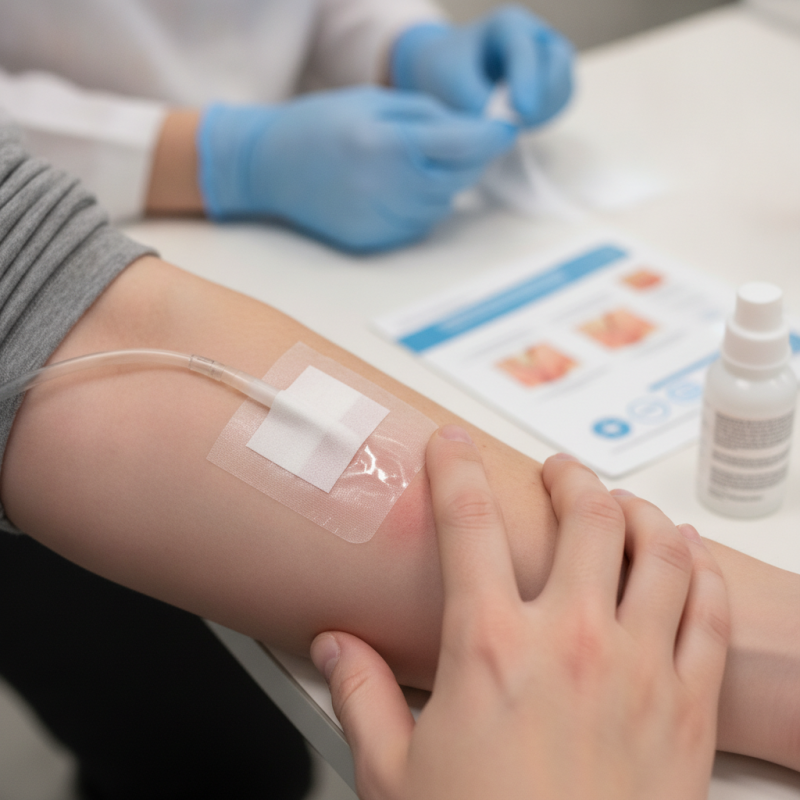
Skin irritation caused by medical adhesives can be a common issue. Many people experience redness, itching, or even blistering. These reactions can stem from allergies or sensitivity to adhesive components. Some individuals may not realize they have a sensitivity until a reaction occurs. This unpredictability can be frustrating.
Understanding the skin's response is essential. The skin acts as a barrier, but adhesives can disrupt this barrier. Ingredients like latex or certain adhesives can trigger inflammation in sensitive skin. The duration of adhesive contact also plays a role. Longer exposure increases the chances of irritation. Some may overlook proper application or removal techniques, leading to further skin stress.
Healing from such irritation often requires time and care. It's crucial to monitor skin condition during and after adhesive use. Learning about personal sensitivities and employing alternative products may help in the future. Recording reactions can aid in identifying problematic adhesives, fostering a more mindful approach to their use.
Skin irritation from medical adhesives is a common issue. Understanding the causes can help avoid discomfort. One main factor is skin sensitivity. People with sensitive skin often react negatively to adhesive materials. Additionally, prolonged contact with the adhesive can lead to irritation. Moisture trapped under the adhesive can exacerbate the problem.
Other causes include allergic reactions to certain ingredients. Some adhesives contain latex or chemical compounds that can trigger reactions. Skin breakdown can occur when the adhesive pulls at the skin during removal, causing pain and irritation. Environmental factors like heat and humidity can also contribute to skin issues.
Tips for minimizing irritation include choosing hypoallergenic adhesives. This can significantly reduce the risk of allergic reactions. It's also important to keep the skin clean and dry before applying any adhesive. Regularly check the skin under the adhesive for signs of irritation. If irritation occurs, remove the adhesive carefully and allow the skin to breathe. Being mindful of these factors can improve comfort and reduce irritation when using medical adhesives.
Medical adhesives are widely used in healthcare for their convenience and effectiveness. Yet, reactions can vary significantly among individuals. Understanding skin types and sensitivities plays a crucial role in these reactions.
Different skin types respond uniquely to adhesives. Some people have sensitive skin that may react to chemical compounds in these products. This can lead to irritation, redness, or even allergic reactions. For instance, those with eczema may find that medical adhesives exacerbate their condition. In contrast, individuals with thicker skin might tolerate adhesive products better. It’s important to recognize that what works for one person may not be suitable for another.
Moreover, skin hydration levels can impact how adhesives adhere. Dry skin can cause adhesives to lift, while overly moist skin might breed irritation. Environmental factors, like heat and humidity, also play a role. Even minor changes can lead to discomfort. Individuals should test adhesives on small skin areas to gauge their reaction before full application. These strategies can help minimize adverse reactions and promote a more comfortable experience with medical adhesives.
Skin irritation from medical adhesives is a common issue. Many individuals experience rashes, redness, or discomfort where adhesives come into contact with the skin. These reactions can occur due to various factors, such as skin sensitivity, prolonged wear, or specific allergies. The adhesives may contain chemicals that irritate the skin or cause allergic responses. Each person's skin reacts differently. Some might not experience irritation at all, while others can develop serious reactions.
To mitigate these issues, there are preventive measures worth considering. First, perform a patch test before applying any adhesive on a larger area. This simple step can help identify potential reactions. Additionally, keeping the skin clean and dry before application is vital. Moisture can weaken the adhesive's bond and increase irritation risk. Using skin barriers, like protective films, can also reduce direct contact with adhesive materials. Monitoring the duration of adhesive wear can prevent prolonged exposure, which could worsen irritation.
While these solutions can significantly lower the risk of skin issues, it's essential to remain vigilant. If irritation occurs, addressing it promptly is crucial. Use soothing creams or consult a healthcare provider for severe reactions. Reflecting on personal experiences with medical adhesives can help develop better practices for their use in the future. Skin health should always come first.
Choosing the right medical adhesive is crucial. Many people may experience skin irritation when using adhesives. This can occur due to sensitivity to specific components. It’s essential to select adhesives designed for sensitive skin, especially in healthcare settings.
Before applying any adhesive, prepare the skin well. Clean the area thoroughly to remove oils and dirt. This step helps enhance the adhesive's effectiveness. Consider performing a patch test to check for adverse reactions. Such precautionary measures can prevent potential discomfort.
Monitoring the application is vital. If any irritation arises, remove the adhesive immediately and clean the skin. Observe for signs of allergic reactions. It’s important to consult a healthcare professional for persistent issues. Understanding these practices can help ensure safe and effective use of medical adhesives, but not every product will suit every individual.
: Skin sensitivity often leads to irritation. Prolonged contact with adhesives can worsen the discomfort.
Moisture trapped under the adhesive can increase irritation. Keeping the area dry is essential for comfort.
Yes, some adhesives have latex or chemicals that trigger allergic reactions in sensitive individuals.
Pulling the adhesive can break down the skin, leading to pain and irritation. This is a common issue.
Choose hypoallergenic options and keep skin clean and dry before application. This can significantly help.
Yes, regular checks for irritation are important. If irritation appears, remove the adhesive and let the skin breathe.
Performing a patch test can help identify potential adverse reactions before applying the adhesive widely.
Consult a healthcare professional for ongoing irritation issues. Not every product works for every person.
Heat and humidity can worsen issues with adhesives. Being mindful of these factors can help improve comfort.
No, not every adhesive suits every individual. Choosing the right type is crucial for effectiveness and safety.
Skin irritation caused by medical adhesives is a common concern for many individuals, particularly when using adhesive materials for various medical applications. Understanding the underlying causes of these irritations is essential, as factors such as the composition of adhesives, the duration of application, and individual skin sensitivities can significantly influence reactions. Common causes include allergic reactions, prolonged exposure, and skin type variations, highlighting the necessity for personalized approaches in adhesive use.
To prevent skin irritation from medical adhesives on tubes, it is crucial to implement preventive measures such as proper skin preparation, conducting patch tests for sensitivity, and selecting hypoallergenic options. Additionally, adhering to best practices in application and removal can enhance safety and effectiveness, ensuring that individuals can utilize medical adhesives with minimal risk of skin irritation. By being aware of these factors, users can better navigate their choices in adhesive products and maintain skin health.

Mainline Medical