Top 5 Features That Make Hospital Uniforms Antimicrobial?

Time:2026-07-05 Author:Aria
0%

In modern healthcare, safety is paramount. Hospital uniforms play a vital role in maintaining cleanliness and preventing the spread of infections. This leads to one important question: What features make a hospital uniform "antimicrobial"? Antimicrobial fabrics are essential for healthcare workers who encounter various pathogens daily. These specialized materials help reduce the risk of hospital-acquired infections (HAIs), a critical concern in patient care settings.

Several key features contribute to the antimicrobial properties of hospital uniforms. Advanced fabric technology is often employed. These materials are treated with antimicrobial agents that inhibit bacterial growth. Not all uniforms meet the high standards required for effective protection. Understanding which features are most effective can help healthcare institutions make better choices.

It's crucial to explore how innovations in uniform design can enhance safety measures. However, not all claims regarding antimicrobial effectiveness are substantiated. Consistent testing and quality assurance are essential for reliability. As we delve into the top five features of antimicrobial hospital uniforms, we must remain mindful of the evolving nature of technology in healthcare.
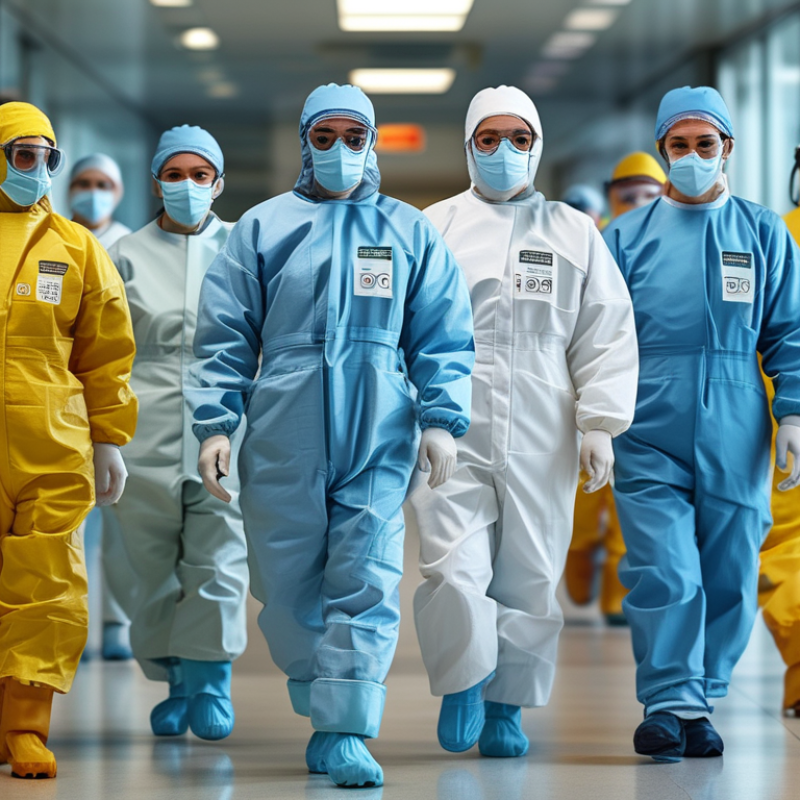
Top 5 Features That Make Hospital Uniforms Antimicrobial?

Top Characteristics of Antimicrobial Hospital Uniforms and Their Importance

Antimicrobial hospital uniforms play a crucial role in infection control. These uniforms are designed to inhibit the growth of harmful microbes. This feature is essential for maintaining a sterile environment within healthcare settings. The fabrics used often contain specific agents that work effectively against bacteria and viruses.

One prominent characteristic of antimicrobial fabric is its ability to withstand multiple washes. Regular laundering can compromise regular uniforms quickly, but antimicrobial garments maintain their protective properties over time. This durability ensures that healthcare workers are continually protected, raising the standards of hygiene.

Moreover, the comfort and breathability of these fabrics cannot be overlooked. In high-stress environments, healthcare workers need uniforms that allow ease of movement. At the same time, the antimicrobial properties must remain intact. It's a balancing act that requires ongoing innovation. There is still room for improvement in the overall design and effectiveness of such garments. This necessity for a robust examination leads to better research and development, paving the way for future advancements in hospital wear.

Understanding the Science Behind Antimicrobial Fabrics in Healthcare Settings

In healthcare settings, antimicrobial fabrics play a crucial role. These materials are specially designed to inhibit the growth of harmful bacteria and viruses. The science behind these fabrics often involves advanced technology. Microbial resistance is achieved through various methods, including the incorporation of metallic nanoparticles.

The effectiveness of these fabrics can vary. Some rely on natural fibers infused with antimicrobial agents, while others use synthetic options. Both approaches aim to minimize the risk of infections in hospitals. However, challenges remain in ensuring durability and consistency of antimicrobial properties over time. Frequent washing can diminish their effectiveness, leading to a false sense of security.

Healthcare workers encounter various pathogens daily. The importance of reliable, antimicrobial uniforms cannot be overstated. Nonetheless, continuous research is essential to enhance these fabrics further. Understanding their limitations helps in making informed decisions about their use in clinical environments. While antimicrobial uniforms offer significant advantages, vigilance is key in infection control practices.

Industry Standards for Antimicrobial Efficacy in Medical Workwear

In the medical industry, antimicrobial efficacy is crucial for hospital uniforms. This ensures the safety and well-being of patients and staff. The effectiveness of these uniforms often relies on specific industry standards. Compliance with such standards helps mitigate the risk of infection.

Key features enhancing antimicrobial properties include fabric treatments, which reduce microbial growth. These treatments must meet regulations. For example, a common standard is ASTM E2149. Testing helps measure how effectively a fabric can resist bacteria.

While many fabrics perform well, not all treatments are created equal. Some may degrade over time, losing their efficacy. Regular assessments are essential to maintain these standards in hospital environments. Ensuring consistent efficacy can be challenging, requiring ongoing research and innovation.

Impact of Antimicrobial Uniforms on Infection Control and Patient Safety

Antimicrobial uniforms are crucial in healthcare settings. They help reduce the risk of infections. Research shows that healthcare-associated infections (HAIs) affect about 1 in 31 hospital patients. Uniforms treated with antimicrobial agents can lower bacteria by up to 99.9%. This significant reduction can be instrumental in improving patient safety.

The importance of these textiles is backed by numerous studies. For instance, a report from the Centers for Disease Control and Prevention (CDC) indicates that HAIs result in approximately 72,000 deaths annually. Antimicrobial uniforms can play a role in mitigating these statistics. They not only offer protection for patients but also enhance staff safety. Medical professionals are continually exposed to various pathogens throughout their shifts.

However, not all antimicrobial treatments are equal. Some may lose effectiveness after several washes. Regular assessments of these uniforms' efficacy are essential. Continuous training about the proper use and maintenance of these uniforms can improve their antimicrobial properties. It's an ongoing challenge that healthcare facilities must address. The right strategies will enhance infection control measures significantly.

Top 5 Features That Make Hospital Uniforms Antimicrobial

Feature Description Impact on Infection Control Impact on Patient Safety
Silver Ion Technology Incorporates silver ions into fabric to inhibit bacterial growth. Reduces bacterial counts on uniforms, lowering infection rates. Enhances overall patient care by minimizing cross-contamination.
Antimicrobial Treatments Chemical treatments applied to fabrics to resist microbes. Provides a protective barrier increasing hygiene standards. Improves patient protection against healthcare-associated infections.
Moisture-Wicking Properties Fabric technology that pulls moisture away from the skin. Reduces the growth of bacteria in moist environments. Keeps staff dry, enhancing comfort and performance.
Durable and Washable Fabrics designed to withstand multiple washes while maintaining antimicrobial properties. Ensures long-lasting efficacy against bacteria. Ensures uniforms remain effective over time, maintaining safety standards.
Comfortable Fit Uniforms designed for comfort and mobility. Encourages adherence to hygiene practices among healthcare workers. Promotes a better patient-staff interaction, boosting overall care quality.

Comparative Analysis of Antimicrobial Technologies in Hospital Apparel

In today’s healthcare environment, antimicrobial technologies are critical in hospital uniforms. Various studies emphasize the importance of these features in reducing infection rates. For instance, the CDC reports that healthcare-associated infections affect one in 31 patients in hospitals. This statistic underlines the need for effective protection in hospital apparel.

Many hospitals now incorporate silver ion technology in their uniforms. This method proves effective in combating bacteria. Research indicates that fabrics treated with silver can reduce bacterial colonization by up to 99%. However, there are concerns about the longevity of these treatments. Over time, the effectiveness may decrease, leading to potential vulnerabilities in infection control.

Another promising innovation is the use of copper-infused materials. Studies show that copper can kill a range of pathogens within minutes. While the initial benefits are compelling, questions remain about wash durability. Frequent laundering can impact the antimicrobial properties, raising concerns about long-term protection. Balancing immediate effectiveness with sustainable practices is essential in hospital uniform design.

FAQS

: What are antimicrobial hospital uniforms?

: Antimicrobial hospital uniforms inhibit harmful microbes, essential for infection control in healthcare settings.

How do these uniforms maintain their protective properties?

The fabrics can withstand multiple washes without losing efficacy, unlike regular uniforms.

What factors enhance comfort in antimicrobial uniforms?

These uniforms are breathable and allow ease of movement, essential in high-stress environments.

How does antimicrobial fabric work?

Advanced technology incorporates agents, including metallic nanoparticles, to resist bacteria and viruses.

What are the limitations of antimicrobial fabrics?

Effectiveness can diminish with frequent washing, leading to potential false security.

Why is continuous research important in this field?

Ongoing studies enhance fabric design and efficacy, helping to improve infection control practices.

What industry standards govern antimicrobial efficacy?

Compliance with standards like ASTM E2149 ensures uniforms meet safety and effectiveness regulations.

Are all antimicrobial treatments equally effective?

No, some treatments may degrade over time, losing their effectiveness against microbes.

What do healthcare workers face daily?

They encounter various pathogens, emphasizing the need for reliable protective uniforms.

How can hospitals ensure consistent efficacy of uniforms?

Regular assessments and ongoing innovation are essential to maintain antimicrobial properties.

Conclusion

Antimicrobial hospital uniforms are essential for promoting hygiene and safety in healthcare settings. Key features that make a hospital uniform "antimicrobial" include the incorporation of specific fabrics treated with antimicrobial agents that inhibit the growth of bacteria, fungi, and viruses. Understanding the science behind these fabrics reveals their effectiveness in reducing nosocomial infections and enhancing patient safety.

Moreover, industry standards dictate the required levels of antimicrobial efficacy in medical workwear, ensuring compliance and performance. The impact of these uniforms on infection control is significant, as they help maintain a sterile environment, which is crucial for patient care. A comparative analysis of various antimicrobial technologies also highlights the continuous innovation in hospital apparel, reinforcing the importance of protective clothing in the healthcare industry.

Aria

Aria

Aria is a dedicated marketing professional with a deep passion for innovative strategies and a keen understanding of our company's product offerings. With a wealth of experience in the industry, Aria excels at crafting engaging content that highlights the unique features and benefits of our......