China Top 10 Tips for Choosing Silicone or Latex Catheters?

Time:2026-06-16 Author:Aria
0%

Choosing the right urinary catheter can significantly impact patient comfort and health. In the field of urology, an expert in urinary products, Dr. Emily Harrison, emphasizes the importance of understanding your options. She states, “The right choice can make all the difference in a patient’s quality of life.” This sentiment is echoed by industry data, which reveals that silicone catheters have a lower rate of infection compared to latex ones.

In a recent report by the International Catheter Association, about 20% of patients experience adverse reactions due to material choice. Understanding how to choose between silicone and latex urinary catheters is crucial. Silicone catheters are often preferred for long-term use because they reduce irritation. Conversely, latex catheters may be cost-effective for short-term solutions but come with higher risks for allergy sufferers.

Navigating this decision requires knowledge and careful thought. Each material has its strengths and weaknesses. For instance, silicone’s biocompatibility is a key factor, but some patients may not have access to it due to cost constraints. As we assess these options, a deeper understanding will lead to better patient outcomes and satisfaction.
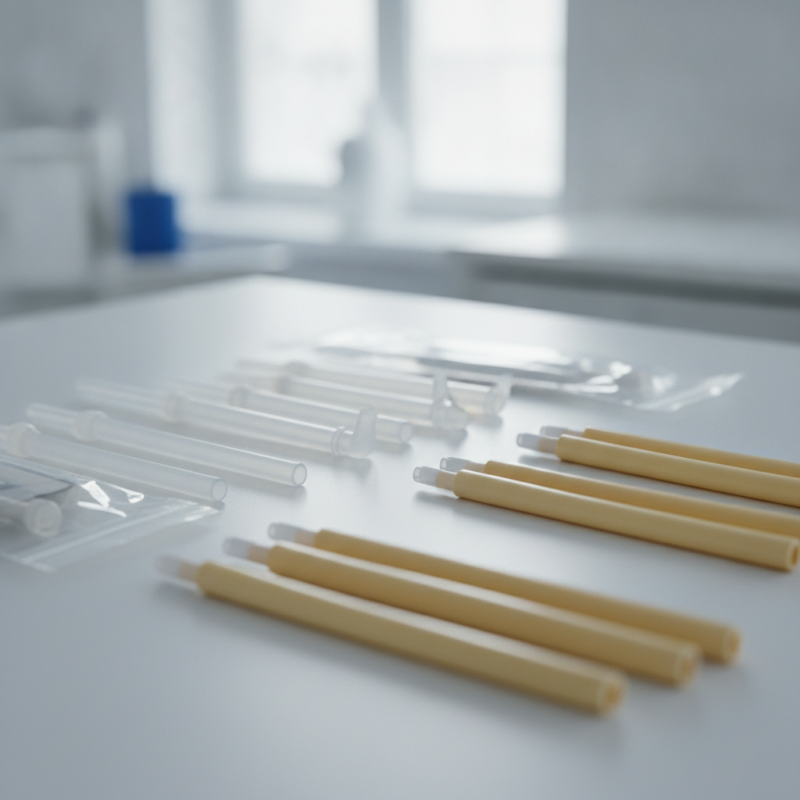
China Top 10 Tips for Choosing Silicone or Latex Catheters?

Top Factors to Consider When Choosing Catheters: Silicone vs. Latex

When choosing between silicone and latex catheters, several essential factors come into play. One key difference is biocompatibility. Silicone catheters are often recommended for patients with latex allergies. A study indicates that approximately 1% to 6% of the population may have latex sensitivities. This statistic highlights the importance of considering personal allergies when selecting a catheter material.

Durability is another critical factor. Silicone catheters generally offer superior longevity. They can be used for extended periods without losing functionality. A report from the Journal of Urology suggests that silicone options can last up to three times longer than latex counterparts. However, latex catheters may provide enhanced flexibility, making them suitable in certain scenarios. The trade-off between these materials necessitates careful examination of individual patient needs.

Comfort also plays a significant role in catheter selection. Silicone can be less irritating for long-term use, but some patients prefer the feel of latex in short-term situations. Analyzing these preferences is vital, as individual experiences can vary. Patient feedback often reveals that comfort can significantly affect quality of life during catheter use. Thus, careful consideration and perhaps trial and error are integral to finding the most suitable option.

Understanding the Benefits of Silicone Catheters in Medical Settings

Silicone catheters have gained traction in medical settings due to their numerous benefits. These catheters are biocompatible and reduce the risk of urinary tract infections (UTIs). A study by the American Urological Association indicates that silicone catheters can lower UTI rates by up to 40%. This significant reduction is particularly crucial for patients requiring long-term catheterization.


Another noteworthy aspect is their comfort and ease of use. Silicone catheters are softer than latex, minimizing irritation during insertion and removal. Patients often report that silicone options feel more comfortable, especially for extended use. The catheter's smooth surface helps reduce friction, which can exacerbate discomfort. However, medical staff must be mindful of the potential for allergic reactions in a small percentage of patients.


Durability is another essential feature. Silicone catheters can remain functional for longer periods compared to latex ones. They resist kinking and are less prone to wear and tear. According to research published in the Journal of Medical Devices, silicone catheters have a lifespan that can exceed 30 days with proper care. Nonetheless, regular assessments are necessary to ensure they are functioning correctly, as accumulated deposits can compromise their effectiveness.

Evaluating the Allergic Reactions Associated with Latex Catheters

Latex catheters are common in medical use but come with potential allergic reactions. Studies indicate that approximately 6% to 17% of users develop latex allergies. Symptoms can range from mild skin irritations to severe anaphylaxis. This variance highlights the importance of careful evaluation before choosing latex options.

Choosing a catheter often involves weighing benefits against risk. Latex has good elasticity and cost-effectiveness, but the allergy risk can be significant. For some patients, even minimal exposure can trigger allergic reactions. Experts recommend considering silicone catheters as a safer alternative. Silicone materials are less likely to cause allergies and are often better tolerated.

Healthcare providers should be cautious. Regular monitoring for allergic reactions is vital when using latex catheters. Understanding patient history and prior reactions can help guide the decision. Despite its popularity, reliance on latex requires transparency and constant assessment of patient safety. Safety should always take precedence in catheter selection.

Comparative Analysis of Durability and Comfort: Silicone vs. Latex

Choosing between silicone and latex catheters involves understanding their durability and comfort. Silicone catheters are known for their long-lasting quality. They resist degradation from bodily fluids and environmental factors. Users often find silicone products more comfortable, particularly during extended wear. The smooth surface reduces friction and irritation. This makes silicone ideal for those requiring long-term catheter use.

Latex catheters, on the other hand, are softer and more flexible. Many people appreciate this flexibility, especially when first using a catheter. However, latex has its drawbacks. Allergies are a significant concern; some individuals react negatively to latex. This can lead to discomfort and complications over time. While latex can provide initial comfort, it may not sustain the same level of performance as silicone.

In a real-world context, consider your unique needs. Comfort is subjective; what feels good to one person may not work for another. Evaluating both options based on personal experience is crucial. Some users may need to switch material types after trying one. Reflecting on feedback from fellow users can also help in making a more informed decision.

Comparative Analysis of Durability and Comfort: Silicone vs. Latex Catheters

Industry Statistics on Catheter Usage and Patient Preference Trends

When choosing between silicone and latex catheters, patient preferences play a critical role. Recent industry statistics reveal a noticeable trend: many patients express a preference for silicone catheters due to their flexibility and reduced risk of irritation. These catheters often lead to fewer complications and greater comfort over time. However, some still opt for latex catheters for specific benefits, like cost-effectiveness.

Choosing the right catheter requires careful consideration of materials. **Tip**: Always consult a healthcare professional before making a decision. They offer insights based on individual health needs. **Tip**: Consider allergies or sensitivities. Silicone catheters are great for those who react to latex.

Trends indicate growing demand for higher-quality materials. Research shows that patients prioritize comfort and durability. Yet, many users report dissatisfaction with product selection. Disparities in quality can also be challenging. It's essential to do thorough research, comparing options available in the market. A well-informed choice can significantly impact your healthcare experience.

China Top 10 Tips for Choosing Silicone or Latex Catheters

Tip Considerations User Preference (%) Usage Statistics (%)
Material Type Silicone vs. Latex 60 40
Size Selection Proper Fit 55 45
Lubrication Use of Gel 70 30
Sensitivity Allergic Reactions 50 50
Durability Longevity of Use 65 35
Cost Budget Constraints 40 60
Ease of Use User-Friendliness 75 25
Manufacturer Reputation Brand Trust 80 20
Product Reviews User Feedback 65 35
Availability Supply Chain 50 50

FAQS

: What should I consider when choosing a catheter?

: Consider biocompatibility, durability, comfort, and personal allergies.

Are silicone catheters better for allergies?

Yes, silicone catheters are recommended for individuals allergic to latex.

How long do silicone catheters last compared to latex?

Silicone catheters can last up to three times longer than latex ones.

Which catheter material is more comfortable for long-term use?

Silicone is often more comfortable for long-term users due to its smooth surface.

Can latex catheters be a good choice for short-term use?

Yes, some users find latex more flexible and comfortable in short-term situations.

What is a trade-off when considering silicone and latex catheters?

The trade-off involves durability vs. flexibility, which depends on individual needs.

What should I do if I have mixed feelings about catheter materials?

Trial and error can help; explore both options based on personal experience.

Are there any common complaints about catheter products?

Many users report dissatisfaction with product selection and quality disparities.

Why is consulting a healthcare professional important?

They can provide insights tailored to your specific health needs and preferences.

What is a significant factor influencing patient preference for catheters?

Comfort and reduced risk of irritation are primary factors in patient preference.

Conclusion

Choosing the right urinary catheter is crucial for patient comfort and health, particularly when considering "how to choose between silicone and latex urinary catheters." This article explores key factors that should guide your decision, including the distinct benefits of silicone catheters in medical settings, which typically offer better comfort and reduced risk of infection.

Additionally, it highlights the allergic reactions often associated with latex catheters, stressing the importance of understanding individual patient sensitivities. A comparative analysis of durability and comfort further supports the evaluation of these two materials. By examining industry statistics on catheter usage and patient preferences, the article provides valuable insights for making informed choices that prioritize patient well-being.

Aria

Aria

Aria is a dedicated marketing professional with a deep passion for innovative strategies and a keen understanding of our company's product offerings. With a wealth of experience in the industry, Aria excels at crafting engaging content that highlights the unique features and benefits of our......