A low-pressure alarm can turn a quiet bedside into a search for a leak. The ventilator may be running, yet the pressure waveform drops when the patient inhales. A loose connector, cracked tubing, displaced mask, or open sampling port can let gas escape. The alarm is important, but it does not identify the cause by itself.
Respiratory-care researcher and educator Dean Hess has written widely about ventilator monitoring and clinical assessment. A careful paraphrase of a useful troubleshooting principle is: “Treat the alarm as a clue; inspect the system before changing settings.” This is not a verbatim quotation. It reflects a cautious approach: check the patient, then inspect the circuit and connections, following the device instructions and local clinical procedures. Small details matter. A cuff leak, a water trap that is not seated, or tubing pulled tight against a bed rail may change pressure. Sometimes the cause is less obvious.
This introduction to How to troubleshoot low pressure in a respiratory circuit will examine likely causes, practical checks, and signs that need prompt clinical attention. It will distinguish circuit leaks from patient-related problems without treating one alarm as proof. A hands-on inspection can help. But memory can fail under pressure, and a checklist may still miss something. When the cause remains uncertain, involve qualified clinical staff and follow the ventilator manufacturer’s guidance. Safety comes first.
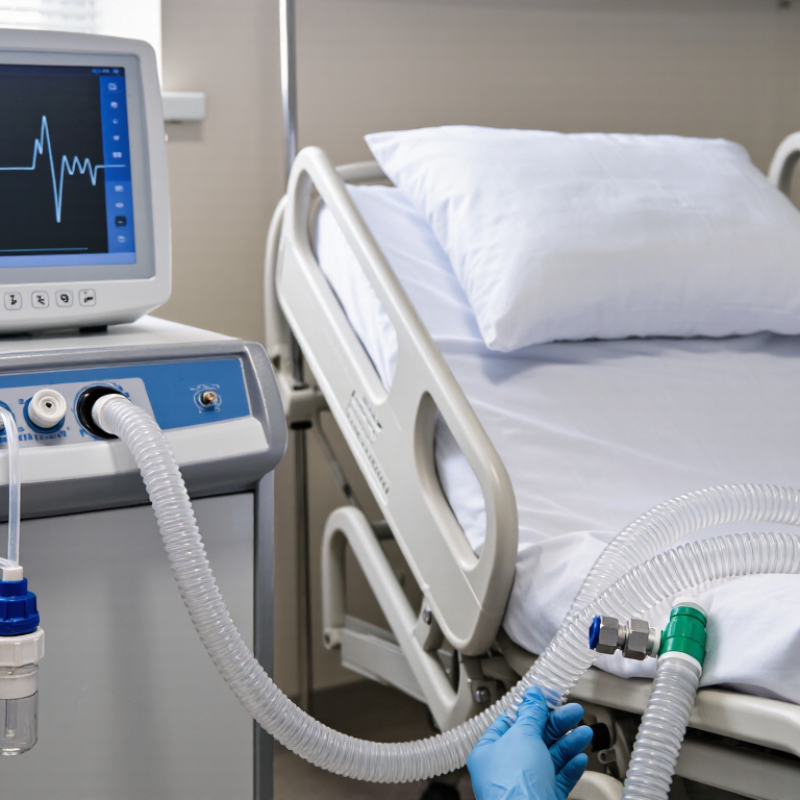
In a respiratory circuit, low pressure means the measured pressure is below the expected level or an alarm limit. It does not, by itself, tell you how well a person is oxygenated or ventilated. The meaning depends on the device, circuit setup, and alarm settings. Check the patient, not just the number.
A sudden pressure drop may point to a leak or disconnection. Look for a loose tube connection, a damaged section of tubing, or a leak around a mask. In an intubated patient, a cuff leak may also be involved. Some causes are less obvious. It is easy to focus on the display and miss a small gap near the bed. Check chest movement, breathing, and oxygen readings while following the care plan.
If the person appears distressed, call for clinical help and follow the facility’s emergency procedure. A trained caregiver can inspect the circuit and restore a connection when appropriate, but should not change ventilator settings without authorization. Alarm limits vary, and a low-pressure alarm does not identify the cause on its own. That uncertainty matters. Record what changed and when, then share those details with the responsible clinician.
In a respiratory circuit, pressure comes from gas flow meeting resistance inside the tubing, valves, and patient airway. The ventilator’s blower or compressed-gas supply creates flow, while control valves shape how quickly gas enters. Pressure is not made by one part alone. Small changes matter.
During inspiration, the ventilator raises pressure above the baseline so gas moves toward the lungs. In pressure-controlled breathing, a pressure target guides delivery. With volume-controlled modes, the device aims for a selected volume, and pressure varies with lung stiffness, airway resistance, and leaks. At exhalation, positive end-expiratory pressure, or PEEP, can maintain pressure that helps keep alveoli open. Expiratory valves and monitoring help maintain this baseline.
Sensors measure pressure in the circuit, and the ventilator adjusts flow or valve position to stay near its target. A low reading may point to a loose connection, a leak, or an interrupted gas supply, but it needs clinical context. Even a soft hiss near a connector can matter. Pressure alone does not show whether ventilation is adequate; clinicians also consider airflow, oxygen levels, patient effort, and alarms. Real circuits are less tidy than diagrams. That is worth remembering.
Why Is the Pressure Low in a Respiratory Circuit?
Common Causes of Low Circuit Pressure
Low circuit pressure often means gas is escaping or not reaching the patient as expected. A loose connection near the mask, airway tube, or ventilator can trigger an alarm. So can a split in the tubing, a poorly seated water trap, or an open sampling port. Look for a detached connector or a small gap where tubing joins. Tiny leaks matter.
A cuff leak around an endotracheal tube may also lower pressure, though the cause is not always obvious from the alarm alone. A disconnected circuit can cause a rapid pressure drop and needs immediate attention. Check the patient’s breathing and circuit connections, and follow local clinical procedures. Do not rely on the alarm reading alone. A quick visual check can miss a hairline crack; I would avoid assuming the first loose-looking joint explains everything. If pressure stays low, a qualified clinician should assess the patient, equipment, and gas supply. The right response depends on the patient and the device. My first guess may be wrong.
Why Is the Pressure Low in a Respiratory Circuit?
How to Detect and Assess a Pressure Drop
A pressure drop can come from a kinked tube, pooled condensate, a blocked filter, or a loose connection. Check the circuit from ventilator outlet to patient, looking for flattened tubing and water collecting in low bends. Compare pressure readings at two points while flow remains steady. The difference, divided by flow, estimates circuit resistance. Small changes matter. A leak may lower pressure, while an obstruction can raise upstream pressure and reduce pressure delivered to the patient.
Use the ventilator’s pressure and flow readings alongside a careful visual check. ISO 5367:2023 describes testing breathing sets for flow resistance under specified conditions; its test conditions matter, so avoid comparing readings taken at different flows. The AARC guideline on patient-ventilator assessment gives 30 cm H₂O as a usual upper target for plateau pressure in adults. That is a lung-pressure benchmark, not a circuit pressure-drop limit. Don’t confuse the two. Patient mechanics can also change readings, so a pressure difference alone does not identify the fault.
Tips: Check connections, filters, and condensate first. Recheck at a consistent flow, and follow local clinical procedures. If readings remain abnormal, have a qualified clinician assess the circuit and patient. One limitation: a tidy visual inspection cannot rule out a subtle leak.
How to Detect and Assess a Pressure Drop
Illustrative bench example at a constant flow of 30 L/min. A pressure drop is the upstream-to-downstream pressure difference across a component; actual values vary with equipment, flow, and condition. Check circuit connections and leaks, then compare measured pressures with expected values and the device specifications. Low airway pressure can also result from a disconnection or leak.
When a low-pressure alarm sounds, treat it as a possible leak or disconnection—not a nuisance to silence. Start at the patient end: check that the mask or airway connection is secure, then trace the tubing back to the ventilator. Look for a loose elbow, split tubing, an open port, or a sampling line pulled free. A small leak may be difficult to hear. Sound alone is not a reliable test.
Inspect the humidifier chamber, filters, expiratory valve, and every circuit joint. Check for water pooling, cracked plastic, or a seal that sits unevenly. If the patient is stable, follow the device instructions to run the prescribed circuit leak test, then reassess pressure and delivered volume. WHO’s 2020 technical specifications for ventilators describe alarm functions for conditions including low airway pressure and circuit disconnection; ISO 80601-2-12 also addresses alarm-system requirements for critical-care ventilators. Use the equipment’s specified limits, not a guessed threshold. If pressure remains low, switch to the approved backup ventilation process and seek qualified clinical support. A rushed reconnection can miss the real fault. That deserves a second check.
Low circuit pressure may result from a leak, a disconnection, inadequate gas delivery, or a problem with pressure sensing. Use the device instructions and local clinical procedures when checking the system.
| Step | Check | How to check | What the finding may indicate |
|---|---|---|---|
| 1 | Patient and alarm status | Assess the patient first. Confirm which alarm is active and review the displayed pressure, delivered breaths, and other relevant readings. | A low-pressure alarm can signal loss of circuit pressure or a leak. Patient distress or inadequate ventilation requires immediate clinical attention. |
| 2 | Circuit connections and disconnections | Trace the breathing circuit from the device to the patient connection. Check that each connector is fully seated and that no limb or component has come apart. | A loose or disconnected connection can allow delivered gas to escape and prevent the expected pressure from being reached. |
| 3 | Circuit tubing and components | Inspect the tubing, connectors, water traps, humidifier chamber, filters, and other installed components for cracks, damage, poor seals, or incorrect assembly. | A split tube, damaged connector, displaced seal, or incorrectly fitted component may create a leak or interrupt the gas pathway. |
| 4 | Patient interface and accessory connections | Check the patient connection and any circuit accessories for a secure fit. Check sampling or pressure-sensing lines, if present, for disconnection, damage, or an open port. | A leak at the patient interface or an open accessory port can reduce circuit pressure. A disconnected sensing line may also affect pressure monitoring, depending on the system. |
| 5 | Gas supply and device delivery | Check the power status, gas-source connections, supply indicators, and device messages. Confirm that the required gas sources are available as specified for the equipment. | An interrupted supply, loose supply connection, or device delivery problem may prevent the circuit from reaching the intended pressure. |
| 6 | Valves and pressure-control components | Check that the relevant valves and pressure-control components are correctly installed and unobstructed, following the device instructions. Do not adjust settings without appropriate authorization. | A displaced, obstructed, damaged, or incorrectly assembled valve may interfere with pressure generation or maintenance. |
| 7 | Leak or circuit test | When clinically appropriate, perform the equipment’s specified circuit or leak test using the manufacturer’s procedure. Reconnect and retest after correcting a suspected leak. | A failed test can help confirm a leak or assembly problem. Use only the test method and acceptance criteria specified for that device. |
| 8 | Persistent alarm or suspected device fault | If the cause is not found or the alarm continues, follow local escalation procedures and contact qualified clinical or biomedical support. Use an approved alternative means of ventilation when clinically indicated. | A persistent low-pressure condition may require further assessment of the device, circuit configuration, or patient interface. |
Safety: Do not delay assessment or appropriate support for an unstable patient while troubleshooting. Do not disconnect a patient or block a breathing circuit as a test unless directed by the applicable clinical procedure.
It means measured pressure is below an expected level or alarm limit. It does not show oxygenation by itself.
A loose connector, damaged tubing, mask leak, or cuff leak may be involved. A small gap can be easy to miss.
No. The alarm signals a reading, not its cause. Check the clinical context.
Observe chest movement, breathing, oxygen readings, and the person’s condition. The display is only one clue.
Call for clinical help and follow the facility’s emergency procedure. Do not delay.
Only with proper authorization. A trained caregiver may inspect the circuit and restore a connection when appropriate.
Gas flow, valves, sensors, and circuit resistance all contribute. During exhalation, PEEP can help maintain baseline pressure.
No. Clinicians also consider airflow, oxygen levels, patient effort, and alarms. Real circuits are messier than diagrams.
Low pressure in a respiratory circuit means the system is not maintaining the pressure needed to deliver or support the intended breathing flow. Pressure is generated by the respiratory device and maintained through a connected, intact circuit. A drop may result from a loose connection, a leak, a damaged tube, an open port, or a problem with a filter or other component. Understanding how pressure is created and where it can escape helps narrow down the cause.
To assess a pressure drop, check the device’s readings and alarms, then inspect the circuit from end to end for disconnections, cracks, blockages, or incorrectly fitted parts. Confirm that connections are secure and components are assembled as intended. How to troubleshoot low pressure in a respiratory circuit depends on the equipment and clinical situation, so follow its instructions and involve a qualified respiratory or clinical professional if the cause is unclear or pressure remains low.

Mainline Medical