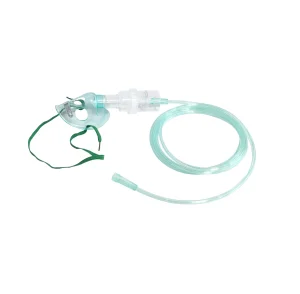
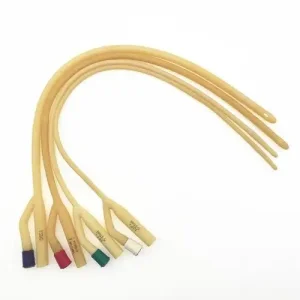
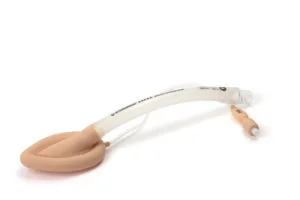
Premium healthcare disposables manufactured in our state-of-the-art facility under rigid ISO 13485 regulations.
Years Experience
Traceable Quality Control
Certified Facility
Countries Served
A comprehensive analysis of sanitization demand, dynamic supply models, and technical requirements in the healthcare sector.
In the wake of heightened infection control policies globally, the clinical use of antiseptic wipes and surface disinfectants has transcended standard sanitizing measures to become a critical component of institutional risk mitigation. Modern healthcare facilities, commercial workspaces, cleanrooms, and food processing lines rely on rapid, broad-spectrum antiseptic applications to eradicate pathogens instantly. In hospitals, reducing Healthcare-Associated Infections (HAIs) is paramount to safeguarding vulnerable patients, which has intensified the need for hospital-grade antiseptic wipes formulated to kill 99.999% of bacteria, viruses, and fungi within short contact times.
Globally, the market for antiseptic wet wipes has experienced structural transformations. While the pandemic spurred an initial surge in basic cosmetic and personal sanitizing wipes, the current demand is characterized by sophisticated clinical-grade needs. Procurement officers are now focused on active ingredient stability, material safety, environmental degradation profiles, and multi-surface compatibility.
High-grade antiseptic wipes leverage advanced nonwoven technologies such as spunlace, cross-lapped webs, and needle-punched microfibers. These substrates provide the necessary tensile strength, soft texture, and high fluid capacity to hold complex chemical formulations without breaking down during mechanical friction on clinical surfaces.
Modern antiseptic wet wipes are custom engineered depending on the localized target environment. Manufacturers categorize active solutions into several distinct groups:
Over a decade of manufacturing excellence, integrating direct seaport logistics and deep regulatory alignment.

Ningbo Mainline Medical Co., Ltd. is a leading professional supplier of high-quality medical instruments and healthcare products in China. With over 10 years of experience in the medical field, our company has built a strong reputation for providing reliable and innovative solutions to meet the needs of healthcare professionals and patients worldwide.
Headquartered in Ningbo, Zhejiang Province, and strategically located near the deepwater port of Shanghai and Ningbo, we operate a state-of-the-art manufacturing facility where we produce a wide range of essential medical products, including syringes, infusion sets, gloves, and face masks. Our commitment to quality and innovation has made us a trusted partner for customers across Europe, Africa, Asia, and America.
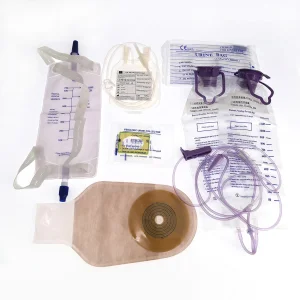
To better serve our growing customer base, we have formed strong partnerships with over 5 strategic partners, each specializing in the production of complementary medical products such as urine bags, surgical gowns, medical tubes, wound dressings, syringes, diagnostic tools, and laboratory products. These collaborations ensure we can offer a comprehensive product portfolio that meets the diverse needs of healthcare facilities and distributors.
At Ningbo Mainline Medical, we understand that the foundation of healthcare lies in the quality and reliability of medical supplies. This is why we have established a robust quality control system, with a dedicated QC team monitoring every stage of production across all our product lines. We adhere to strict international standards to guarantee the highest level of quality and safety. Our company is fully certified with CE and ISO standards for most of our products, reflecting our commitment to delivering products that meet global quality and safety requirements.

Looking ahead, Ningbo Mainline Medical Co., Ltd. will continue to focus on improving operational efficiency, expanding our product offerings, and ensuring the highest standards of service for our customers. We aim to play a key role in promoting human health by providing superior medical products that contribute to better patient outcomes worldwide. With a focus on innovation, love, and respect for human life, we are dedicated to bringing health and well-being to people everywhere.
How automation, raw materials cluster, and scale economics enable China factories to deliver consistent antiseptic products.
Leading Chinese factories operate class 100,000 cleanrooms integrated with automated slitting, high-speed wetting, folding, and packaging lines. This eliminates direct human contact and eliminates the risk of microbial contamination.
Zhejiang and neighboring provinces host the world's most concentrated nonwoven textile clusters. Direct access to raw polyester, viscose, and active biocides enables highly stable pricing and raw material buffers.
China wholesale manufacturers can modify sheet dimensions (from pocket travel size to oversized XL gym wipes), packaging formats (canisters, flow packs with plastic lids, single sachets), and chemical solutions.
B2B procurement of wholesale antiseptic wipes involves detailed validation processes. Standardizing on raw materials, chemical formulation toxicity, shelf-life validation, and regulatory compliance certificates are the pillars of a resilient medical supply chain. Organizations must request critical documentation to ensure legal compliance and efficacy:
From operating theatres to heavy industry: matching wipe parameters to real-world deployment challenges.
Used to prep patients' skin pre-injection or disinfect diagnostic equipment surfaces (non-invasive medical devices). These require non-irritant, lint-free nonwoven cloths. Material compatibility is key, especially preventing corrosion on expensive plastic displays or rubber sealings.
Cleanrooms require specialized clean-room laundered polyester wipes. These are impregnated with low-residue Isopropyl Alcohol (IPA) filtered to 0.22 microns to satisfy ISO Class 5 and above particulate standards.
For high-traffic public zones, gyms, and transport hubs. Cost-effectiveness, bulk pack sizing (700-1000 count canisters), and continuous feeding dispensing mechanisms are key procurement indicators.
Insights from technical directors and compliance experts on optimizing product specifications and factory audits.
Providing high-precision medical consumables built with medical-grade PVC and biocompatible materials.
 Mainline Medical