Engineered with medical-grade materials to guarantee maximum biocompatibility, minimal infection rates, and excellent clinical output under demanding conditions.
A deep dive into catheter utilization, clinical barriers, and distribution challenges within Central Africa's largest country.
The Democratic Republic of the Congo (DRC) is undergoing a major healthcare infrastructure transformation. Across provinces such as Kinshasa, Haut-Katanga, and Lualaba, health facilities are upgrading their clinical capabilities to treat complex urological, thoracic, and gastroenterological cases locally. However, the medical import landscape in the DRC remains highly challenging. Distributors and public sector procurement bodies struggle with supply chain blockages, customs clearance procedures, and finding manufacturers that comply with both global standards (CE, ISO, FDA) and the local regulatory mandates managed by the *Office Congolais de Contrôle (OCC)*.
In clinical practice, urological obstructions, urinary tract infections (UTIs), pleural effusions due to infectious disease, and surgical site management represent a massive load for hospital wards. From large tertiary centers such as *Hôpital du Cinquantenaire* in Kinshasa to provincial clinics in Lubumbashi, the demand for high-performance drainage systems is expanding. A failure in the structural integrity of a catheter—such as balloon rupture, lumen collapse, or encrustation—poses critical risks to patients under long-term care. In high-humidity, high-temperature regions, lower-grade latex catheters degrade rapidly in storage, leading to sterile packaging failures and increased infection rates.
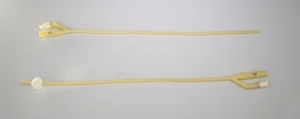
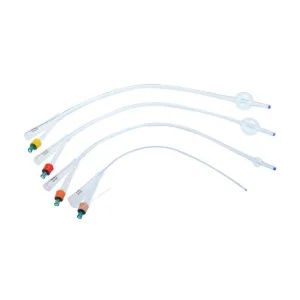
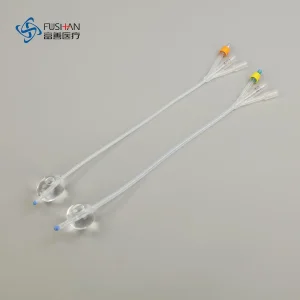
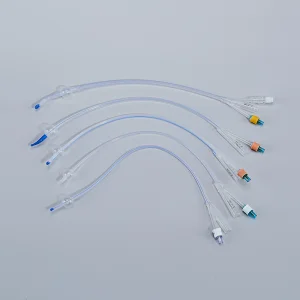
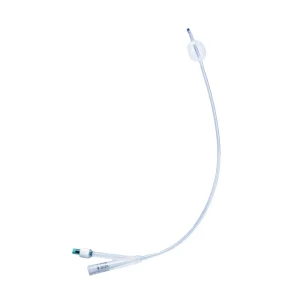
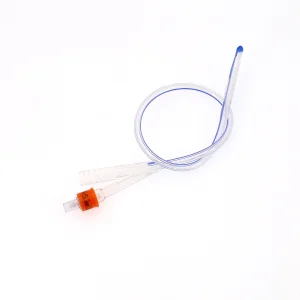
Congolese hospitals are increasingly adopting 100% medical-grade silicone catheters to mitigate patient allergies and reduce encrustation risk. Pure silicone features a larger inner lumen diameter compared to latex counterparts of the same French (Fr) size, ensuring optimized fluid dynamics, faster drainage, and longer indwelling time (up to 29 days vs. 7 days for latex), representing a highly cost-efficient solution for chronically ill patients.
Furthermore, surgical clinics operating in mining hubs face unique challenges. Intensive industrial activity has led to an increased rate of workplace traumas, requiring robust thoracic and abdominal drainage solutions. In these environments, reliability under extreme stress is paramount. Hospital procurement directors are shifting away from cheap, uncertified medical supplies toward fully documented, ISO 13485-certified factories that can guarantee sterile integrity upon arrival at Congolese entry ports (Matadi sea port or N'djili international airport).
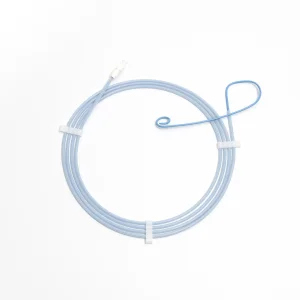
Engineered for gastroenterology, surgical operations, and specialized renal care.
For over a decade, Ningbo Mainline Medical Co., Ltd. has established itself as an authoritative manufacturer and supplier of top-tier medical devices from China. Our operational infrastructure is specifically designed to meet the rigorous quality standards expected by international ministries of health and major NGO supply chains.

How our drainage catheters solve real-world clinical and structural challenges in the Congo basin.
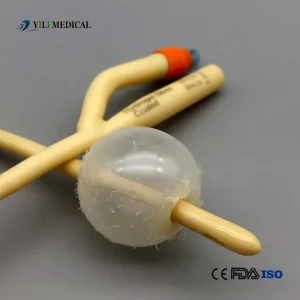
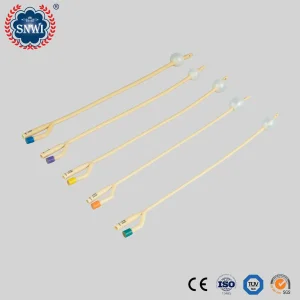
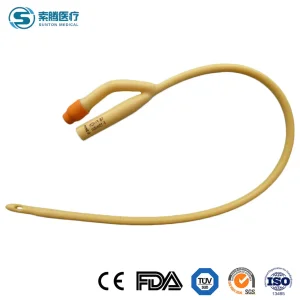
Public health institutions in DRC operating under resource-limited frameworks require high-durability, long-shelf-life medical disposables. The risk of premature catheter failure means extra surgical intervention and increased clinical costs. Our silicone-coated latex and 100% silicone Foley catheters feature dual-sterile medical packaging engineered to withstand high humidity. This makes them ideal for stockpiling in regional medical depots located in Kisangani, Goma, or Kananga.
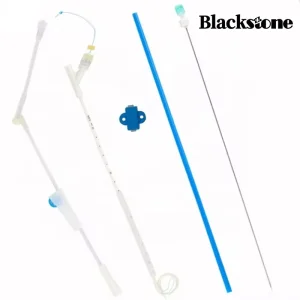
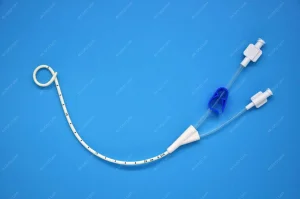
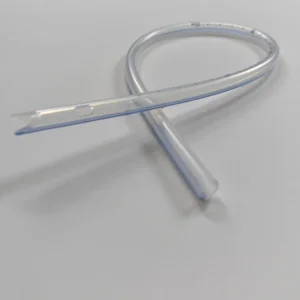
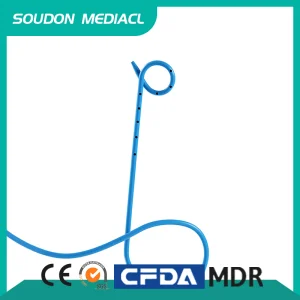
In the mining concessions of Kolwezi and Likasi, medical clinics must be prepared for severe trauma cases, including collapsed lungs (pneumothorax) and internal bleeding. Our Silicone Thoracic Chest Drainage Catheters are specifically designed with clear, medical-grade silicone tubes, radiopaque lines, and smooth distal eyes. This ensures reliable pleural fluid evacuation under high-pressure trauma situations, helping regional medical staff save lives before emergency transport to metropolitan hubs.
Nosocomial infections are a major concern in overcrowded hospital environments. Utilizing catheters with hydrophilic coatings or medical-grade silicone prevents bacterial biofilm formation. This is a critical factor for clinical groups operating in Kinshasa, where managing sepsis and multidrug-resistant UTIs places an immense strain on ICU units.
Explore our wide selection of latex, silicone, urethral, thoracic, and biliary catheters available for container-load orders.

Ningbo Mainline Medical Co., Ltd. is a leading professional supplier of high-quality medical instruments and healthcare products in China. With over 10 years of experience in the medical field, our company has built a strong reputation for providing reliable and innovative solutions to meet the needs of healthcare professionals and patients worldwide.
Headquartered in Ningbo, Zhejiang Province, and strategically located near the port of Shanghai, we operate a state-of-the-art manufacturing facility where we produce a wide range of essential medical products, including syringes, infusion sets, gloves, and face masks. Our commitment to quality and innovation has made us a trusted partner for customers across Europe, Africa, Asia, and America.
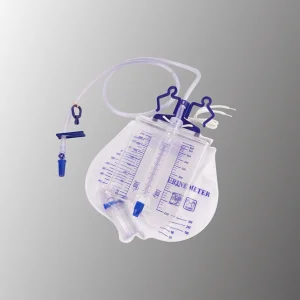
To better serve our growing customer base, we have formed strong partnerships with over 5 strategic partners, each specializing in the production of complementary medical products such as urine bags, surgical gowns, medical tubes, wound dressings, syringes, diagnostic tools, and laboratory products. These collaborations ensure we can offer a comprehensive product portfolio that meets the diverse needs of healthcare facilities and distributors.
Our company is fully certified with CE and ISO standards for most of our products, reflecting our commitment to delivering products that meet global quality and safety requirements.
Technical and procurement answers regarding importing drainage catheters to the Democratic Republic of the Congo.
 Mainline Medical